Considering a move to the Mission District? You are looking at one of San Francisco’s most dynamic neighborhoods, where murals, cafés, and community life spill onto the sidewalks. Whether you want a sunny flat near a park, a modern loft close to nightlife, or a quiet side street with local conveniences, the Mission offers a lot of choice block by block. In this guide, you will get a local’s view of lifestyle, housing types, floor plans, outdoor space, and practical tips to help you zero in on the right home for you. Let’s dive in.
Neighborhood vibe and boundaries
The Mission sits in San Francisco’s east-central area and covers a large footprint with distinct pockets. You will hear people reference the Valencia and Mission corridors, Mission Dolores and Dolores Heights to the west, the Inner Mission core, and edges near Bernal Heights and Potrero Hill. Street life is lively on the main commercial corridors, while residential side streets feel calmer. Expect a highly walkable, urban setting with energy from morning coffee to late-night kitchens.
The neighborhood’s identity is layered. Longstanding Latino cultural anchors, community festivals, and mural alleys sit alongside newer restaurants, boutiques, and nightlife. If you are comparing blocks, be specific about cross streets and proximity to corridors since lifestyle and housing type can change within a few minutes’ walk.
Lifestyle highlights
Valencia and Mission corridors
Valencia Street is known for independent retail, specialty cafés, bike-friendly infrastructure, and a strong evening scene. Mission Street and nearby cross streets like 16th, 18th, and 24th offer abundant eateries, everyday services, and easy transit connections. These areas deliver excellent daily convenience, though they come with more foot traffic and ambient noise than quieter residential blocks. If you value walkability, living near a corridor can be a plus; if you value quiet, look one or two blocks off the main avenues.
Parks and outdoor life
Dolores Park functions as the Mission’s shared backyard, with picnics, sun, casual sports, and wide city views on clear days. Crowds build on sunny weekends, and occasional amplified music or events add to the buzz. For lower-key green space, pocket parks and nearby spots like Precita Park serve as relaxed gathering places. To balance urban living, many residents rely on small private terraces, rooftop decks, or shared rear yards alongside neighborhood parks, as highlighted by San Francisco Recreation and Parks.
Dining, nightlife, and arts
From classic taquerias and bakeries to contemporary restaurants and craft bars, you will find a broad dining range within a few blocks. Nightlife tends to cluster along Valencia and parts of Mission Street, which keeps evenings active. Public art is a daily feature here: mural corridors such as the Clarion Alley murals are a neighborhood landmark, and the Mission Cultural Center for Latino Arts anchors programming and events. If proximity to music and bars matters to you, weigh the trade-off between energy and late-night noise.
Homes and floor plans
What you will find
Much of the Mission’s housing stock consists of older wood-frame Victorians and Edwardians, often arranged as flats within two- to four-unit buildings. Duplexes and triplexes are common, and you will also see converted warehouse lofts and newer condominiums in select pockets near commercial nodes. Elevator buildings are more typical in newer midrise condos; most older walk-ups do not have elevators. Small-lot single-family homes are less common, with a presence in areas like Dolores Heights.
Floor plan patterns
Many homes sit on narrow footprints, which means rooms are organized front to back. You will find linear or “railroad” flows in unrenovated flats and more open-plan living where walls were removed during updates. Older Victorians tend to have tall ceilings and period detail, while loft conversions offer open volumes and flexible layouts. In-unit laundry is standard in many newer units, but older buildings may still rely on shared laundry in basements or rear areas.
Outdoor space realities
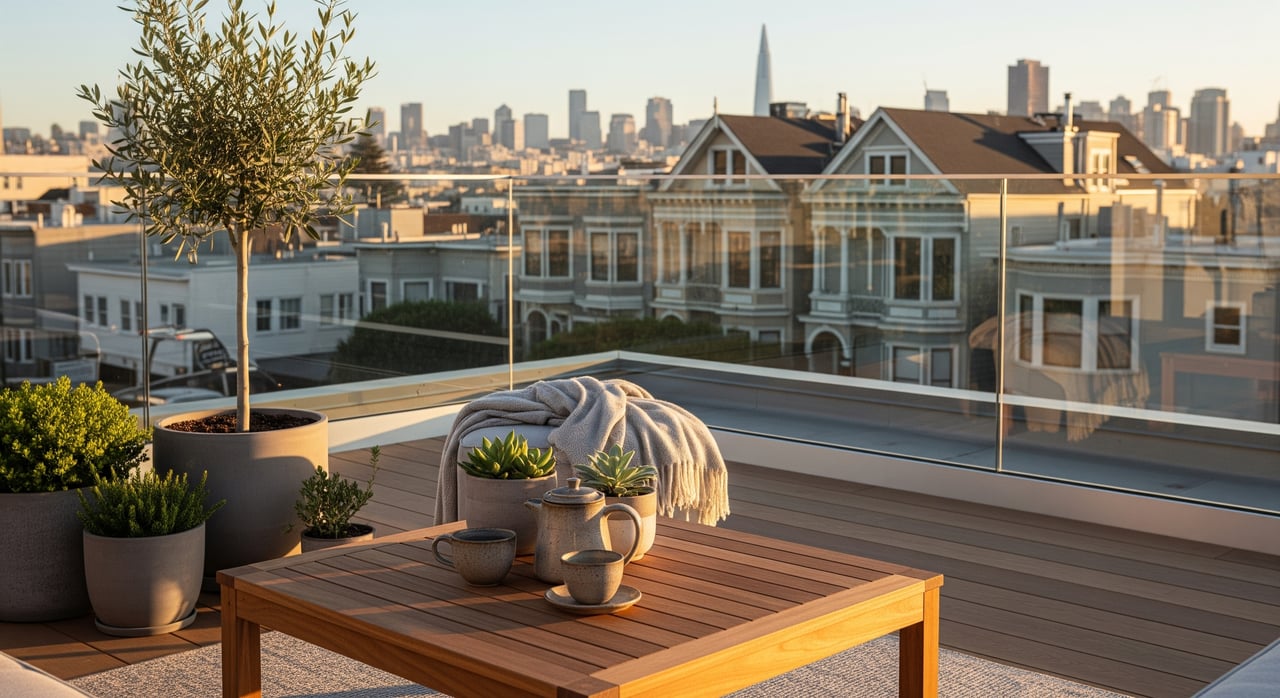
Private outdoor areas are often modest: think small backyards or paved patios behind older flats, compact balconies, or Juliet balconies. Shared rear yards are common in multi-unit buildings. Rooftop decks are popular for sunshine and views, but they usually need proper permits, engineering, and neighbor review. If a deck or addition catches your eye, ask for the permit history and final sign-offs before you fall in love.
Building systems and condition
Heating and cooling vary with building age. Central air conditioning is uncommon in older Mission homes; you are more likely to see wall heaters, space heaters, or forced-air systems in renovated or newer condos. Sound transmission can be a factor in older buildings with thinner walls and floors, so unit orientation and any soundproofing upgrades matter.
Seismic safety should be part of your due diligence. Many multi-unit wood-frame buildings have been required to complete soft-story retrofits. Verify compliance and request documentation through the San Francisco Department of Building Inspection. Consider a full inspection scope that includes structural, roof, foundation, moisture, pest, and chimney assessments.
Buying or renting checklist
Use this quick list to evaluate any Mission property more confidently:
- Check permit history and DBI records for retrofits, additions, and conversions, and request completion certificates where applicable.
- Order a comprehensive inspection: structural, roof, foundation/settlement, moisture, pest/termite, and mold where relevant.
- Confirm whether units are tenant-occupied and subject to rent control or other protections. Consult the San Francisco Rent Board or a local attorney for guidance.
- Verify deeded parking. If none, review neighborhood rules for residential permits via the SFMTA residential parking program.
- Ask for HOA or condo association documents where applicable, including CC&Rs, financials, reserve studies, and recent meeting minutes.
- Map your commute and walk to nearby transit. BART and frequent Muni lines make a big difference in travel times.
- Visit at different times of day and on weekends to gauge street activity and noise around the block.
- For families, review enrollment policies and options through SFUSD.
Transit and commuting
Transit access is a Mission strength. Neighborhood BART stations offer rapid connections to downtown, the East Bay, and airport transfer routes, and Muni buses and light rail serve the main corridors and cross streets. Many residents bike, especially along Valencia and other bike-forward streets. Your best commute option will depend on your exact location and destination, so plan around proximity to transit nodes and bike routes, and check service details on BART and SFMTA.
Schools and community resources
The Mission is served by San Francisco Unified School District, with access to neighborhood public schools, charters, and private options. Enrollment, availability, and specific school assignments vary, so review current guidance through SFUSD. You will also find a range of childcare centers and preschools, though waitlists are common. Everyday needs are easy to meet with neighborhood pharmacies, grocery stores, and specialty markets across the commercial corridors.
Community organizations and merchant groups help shape local programming and advocacy, including mural preservation, park stewardship, and corridor improvements. These organizations are useful for staying informed about events and neighborhood initiatives.
Safety and noise realities
Like any urban neighborhood, the Mission experiences property crime and street-level incidents. For up-to-date, block-level context, review official resources such as the San Francisco Police Department crime data tools. If you are noise-sensitive, look for double-paned windows, newer construction, or a unit oriented away from street activity. Walking the area during weekday evenings and sunny weekends is a helpful way to set expectations.
Choosing your perfect block
Start by prioritizing what matters most to you: daily convenience near cafés and transit, or a quieter residential feel. If you love weekend park time, living within a few blocks of Dolores Park can be a lifestyle win, though weekends will feel busier. If dining and nightlife top your list, a home near Valencia or Mission may be ideal, as long as you are comfortable with late-night activity. Either way, confirm parking entitlements, review building systems and permits, and factor in your commute to make a confident choice.
Ready to explore homes that match your lifestyle, layout, and outdoor space goals in the Mission District? Reach out to Meagan Levitan for calm, expert guidance grounded in native San Francisco insight and white-glove service.
FAQs
Is the Mission District noisy?
- Corridors like Valencia and parts of Mission Street are lively at night, while side streets are quieter; Dolores Park draws weekend crowds that add intermittent noise.
What housing type should I expect in the Mission?
- Mostly flats in Victorian or Edwardian multi-unit buildings, plus duplexes/triplexes and select newer condos or lofts; private outdoor space is usually modest.
Do I need to worry about earthquake safety in the Mission?
- Yes; many buildings have completed or require soft-story retrofits, so request DBI records and retrofit documentation and consider earthquake insurance options.
Is parking included with Mission homes and condos?
- Not always; many properties sell or lease without deeded parking, so confirm a dedicated space or review options through the SFMTA residential permit program.
Are Mission District units rent-controlled?
- Many older units are likely subject to rent control and eviction protections, but rules depend on construction date and other factors; consult the San Francisco Rent Board.