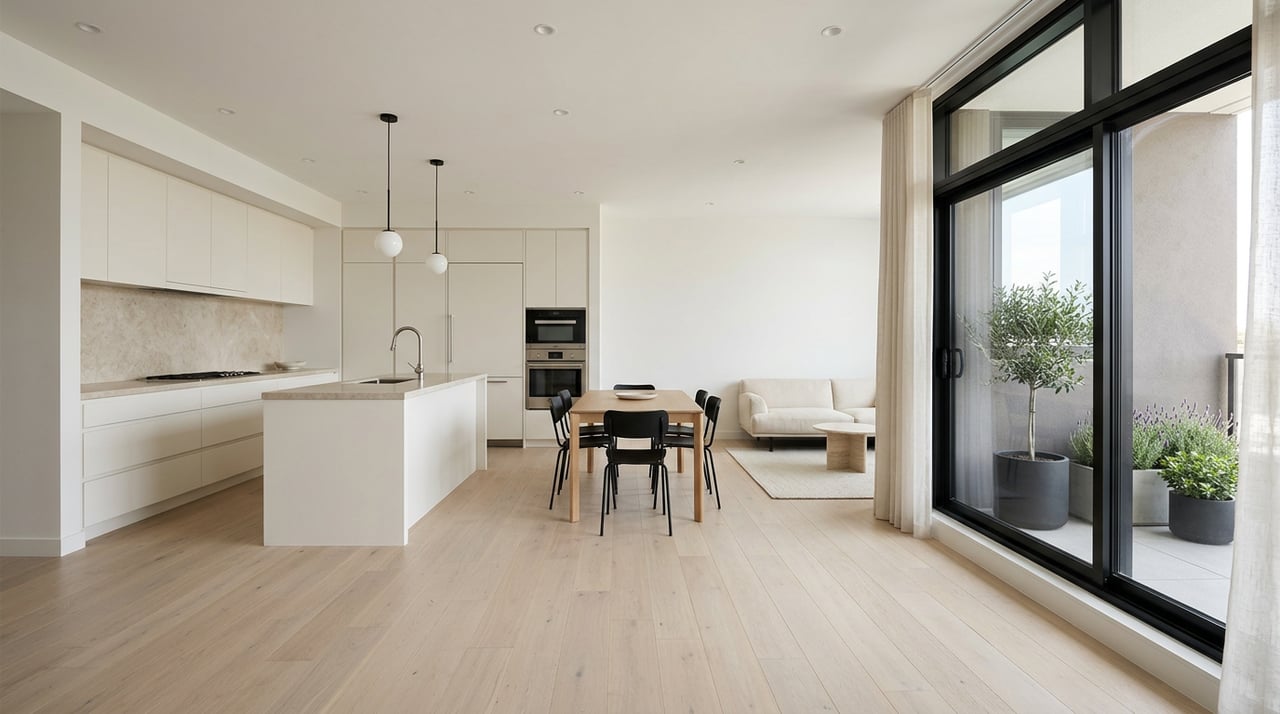
Are you drawn to the Mission’s energy, dining, and Dolores Park sunlight but want the comfort and quality of a luxury condo? You are not alone. Many buyers trade a bigger footprint elsewhere for the Mission’s walkable lifestyle, design-forward spaces, and access to culture. In this guide, you will learn how to evaluate buildings, understand 2026 market context, spot value drivers, and run smart due diligence before you write an offer. Let’s dive in.
Why choose the Mission
The Mission offers a lively mix of restaurants, nightlife, and public spaces along the Valencia, Mission, and 16th/24th Street corridors, plus quick access to Dolores Park and strong street-level retail. City planning describes the area as culturally vibrant with transit-oriented amenities and policies that encourage walkability and unbundled parking. You get an urban lifestyle where you can step out for coffee, dinner, and parks within minutes. For many luxury buyers, that lifestyle is the point.
To see how the neighborhood is framed in planning policy, review the Mission section of the city’s General Plan, including parking and open-space context in transit corridors. You can find that overview in the Mission District plan on the city’s site.
Market snapshot: Jan 2026
As of January 2026, Redfin’s Mission District snapshot showed a median sale price near 899,000 and about 688 per square foot. Neighborhood medians can swing month to month, so treat these as a point-in-time guide and confirm current data when you are serious about a purchase.
For context, brokerage summaries of the San Francisco condo market citywide in Q4 2025 reported median prices around 1.15 million to 1.18 million, with stronger submarkets often above 1,000 per square foot. In the Mission, “upper-tier” typically means condos priced materially above the local median, often 1 million and up. Units with deeded parking, large outdoor space, penthouse finishes, or two-car parking tend to sit at the top of the range.
Review the Mission General Plan profile for lifestyle and planning context.
Check Redfin’s Mission District market snapshot for current neighborhood metrics.
Scan a Q4 2025 citywide condo wrap for price and demand trends.
New construction vs conversions
New construction: pros and checks
Newer mid-rise concrete or steel buildings often deliver modern systems, air conditioning in some cases, stronger acoustic performance, integrated parking with EV readiness, dedicated storage, and robust master insurance policies. Many also come with limited builder warranties. At first resale, associations can be newer, which means reserves and governance are still maturing. Review turnover documents, builder punch lists, and any open items the HOA is tracking after developer handoff. Lenders evaluate project health, so sound budgets and reserves support resale and financing.
Conversions and lofts
Converted buildings and warehouse lofts offer volume, character, and dramatic ceiling heights that many design-minded buyers love. You should verify final permits, code compliance for past work, and HOA transition health. San Francisco has a long history of tenancy-in-common to condo conversions and warehouse rehabs. Conversions come with specific rules and potential limitations, so review any recorded conditions and confirm that all required steps were completed.
Study the city’s conversion rules and restrictions if you are considering a loft or recently converted property.
Safety and structure
Soft-story retrofits
Many older wood-frame multiunit buildings in San Francisco were subject to mandatory soft-story retrofits. If you are considering an older Mission building, confirm whether it was on the soft-story list and whether permits were completed and closed. Ask for finaled permits, engineering reports, and any supporting documentation before you remove contingencies.
Review the city’s soft-story retrofit guidance to understand scope and documentation.
Balcony rules under SB-326
Condos in California with exterior elevated elements such as balconies, walkways, and stairs are subject to SB-326 inspection cycles. Associations must complete inspections, report findings, and plan for repairs and reserve funding. If you are buying a condo with large balconies or roof decks, request the most recent SB-326 inspection report and confirm whether any repairs, holdbacks, or assessments are pending.
Read the SB-326 statute for timing and inspection requirements.
HOA health and disclosures
Reserves and governance
Well-run associations with strong reserves sell faster and with fewer surprises. California’s Davis-Stirling Act requires associations to prepare regular reserve studies and provide reserve summaries with budgets. Ask for the latest professional reserve study, the percent-funded figure, and the capital plan over the next five to ten years. Review 12 to 24 months of board minutes for discussions about assessments, major repairs, vendor issues, or owner concerns.
See Civil Code 5550 for reserve study requirements.
Insurance and earthquake
Request the association’s master insurance declarations and note coverage limits, exclusions, and deductibles. Many master policies exclude earthquake. You should price an HO-6 owner’s policy and consider loss assessment coverage for shared risks. For earthquake, explore California Earthquake Authority options or private carriers so you understand costs, deductibles, and coverage before you write an offer.
Explore coverage basics with the California Earthquake Authority.
Financing and loan types
Project eligibility matters
Condo financing depends on both you and the building. Lenders review project-level health for deliverability to the secondary market. Common flags include inadequate reserves, high dues delinquency, excessive commercial space, too much single-entity ownership, pending litigation, or low owner-occupancy. These can narrow the buyer pool and affect pricing. Ask your lender to review the project early so your offer terms match the building’s reality.
Learn how lenders evaluate condo projects.
Conforming vs jumbo in 2026
San Francisco is a high-cost area, and loan limits adjust annually. For 2026, the FHFA announced new conforming loan limit values that set the ceiling for high-cost counties. If your loan amount exceeds the local conforming limit, your mortgage becomes jumbo, which usually means stronger credit requirements, more reserves, and larger down payments. At the upper end of Mission pricing, many buyers use jumbo financing. Confirm your exact options with your lender before making an offer.
Check the FHFA’s 2026 conforming loan limit announcement.
Value drivers in Mission luxury
The Mission rewards thoughtful selection. Focus on features that attract future buyers and support livability.
- Deeded parking and EV readiness. Verify whether parking is deeded, assigned, or leased, and confirm the legal description in title or CC&Rs. Ask about EV charging infrastructure and the HOA’s policy on new installs or assessments.
- Private outdoor space. Large terraces, balconies, and roof decks add daily joy and resale appeal. Balance that value with SB-326 compliance and long-term waterproofing costs documented in the reserve plan.
- Finishes and amenities. High-end kitchens and baths, two-car parking, large storage, doorman or concierge, and elevator access separate top-tier units. Weigh the benefit of amenities against HOA dues and staffing contracts.
- Volume and light. Loft-style ceilings and great natural light often command premiums. In conversions, confirm all permits and code compliance for prior work.
- Governance and litigation. Buildings with transparent financials, clean meeting minutes, and no major litigation tend to sell faster and closer to list. Pending defect claims or insurance disputes can limit financing and weigh on value.
Buyer checklist for the Mission
Use this quick checklist during your contingency period. Request and review:
- Full resale packet and governing docs, including CC&Rs, bylaws, house rules, current budget, and recent financial statements.
- The latest reserve study, percent-funded figure, and a schedule of upcoming capital projects and any known special assessments.
- Master insurance declarations, including deductibles and exclusions. Price HO-6 and consider loss assessment coverage. Review earthquake coverage options.
- The most recent SB-326 inspection report and any planned or underway repairs related to exterior elevated elements.
- Soft-story retrofit status, including DBI permit records and final sign-offs if the building age and type indicate exposure.
- Parking details, including deeded vs assigned vs leased stalls, EV wiring plan, and stall count tied to your unit.
- For newer projects, developer warranties, any unresolved punch list items, and the current status of HOA turnover to owner control.
- Lender project eligibility and deliverability status to secondary market programs. If you may use conforming financing, confirm county limits. If your loan will be jumbo, confirm down payment, reserve, and underwriting requirements.
- Board minutes for the past 12 to 24 months to uncover patterns in repairs, assessments, vendor issues, or owner complaints.
Mission vs other SF options
If you value culture, dining, and easy park access, the Mission stands out. As of January 2026, the Mission’s median sale price was about 899,000 with roughly 688 per square foot, while citywide condo medians in Q4 2025 hovered around 1.15 million to 1.18 million. The top of the Mission market centers on deeded parking, outdoor space, volume and light, and newer construction warranties. The tradeoff you manage is energy and walkability versus the quieter feel of some other districts. With the right building and a clean HOA, the Mission can deliver standout lifestyle and strong resale appeal.
Next steps
If you are weighing two or three buildings, start with reserves, SB-326 and soft-story compliance, and lender project eligibility. Then refine for lifestyle: light, outdoor space, parking, and finishes. A focused, document-first approach will help you move quickly and confidently when the right condo hits the market.
Ready to tour top Mission condos or want a second opinion on a building’s HOA? Connect with Meagan Levitan for calm, data-backed guidance and private, on-point representation.
FAQs
What defines a luxury condo in the Mission in 2026?
- Units priced materially above the Mission median, often 1 million and up, with features like deeded parking, outdoor space, volume, and high-end finishes.
Which HOA documents should I review before buying?
- Ask for CC&Rs, bylaws, rules, budget, recent financials, the latest reserve study, board minutes, insurance declarations, and any litigation disclosures.
How does SB-326 affect buildings with balconies in San Francisco?
- Associations must complete periodic inspections of exterior elevated elements, share findings, and plan repairs, which can influence reserves and future assessments.
Do most condo master policies include earthquake coverage?
- Many master policies exclude earthquake, so you should price HO-6 coverage and explore separate earthquake options to understand costs and deductibles.
Will my Mission condo loan be conforming or jumbo in 2026?
- It depends on your loan amount versus the county’s conforming limit, and many upper-tier Mission purchases use jumbo financing with stricter requirements.