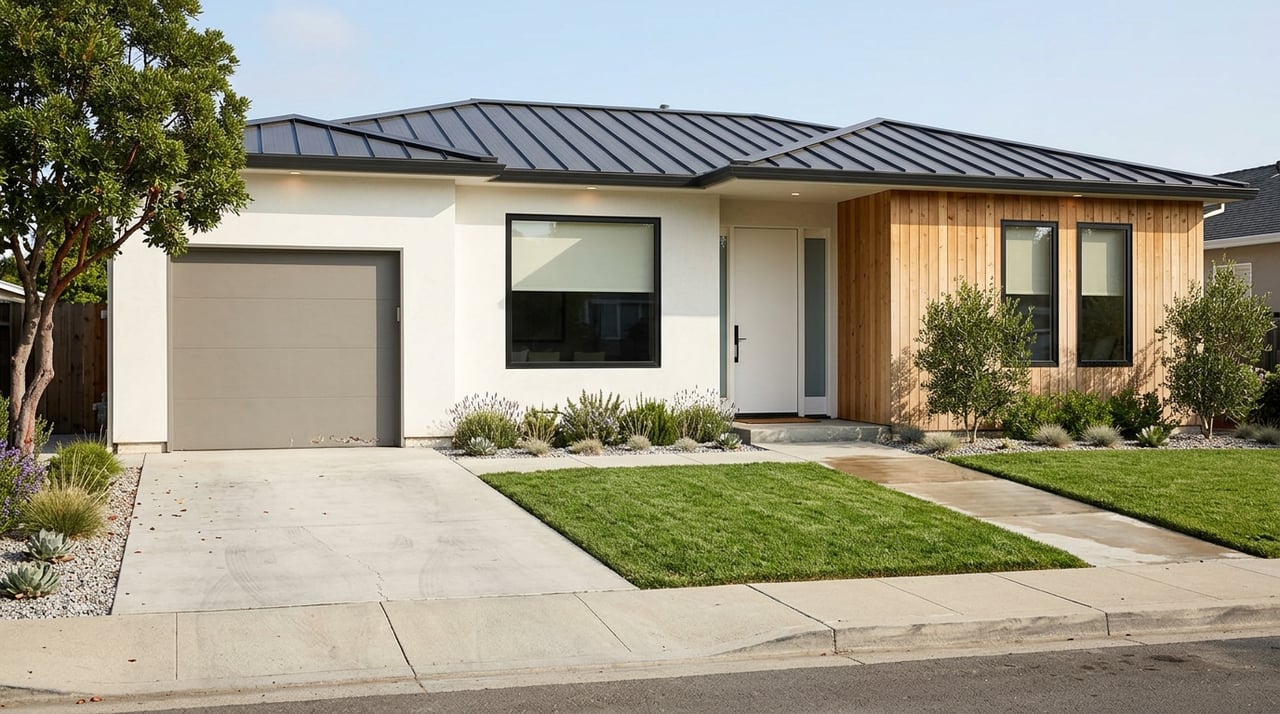
If you are searching for a San Francisco neighborhood that feels more residential without giving up city access, West of Twin Peaks often rises to the top. Many buyers, especially those looking for more day-to-day space, want a calmer setting, nearby parks, and practical transit options all in one place. That mix is exactly why this part of the city stands out. Let’s dive in.
More Space Defines the Area
One of the biggest reasons West of Twin Peaks appeals to families is its physical layout. According to the 19th Avenue Corridor Study from San Francisco Planning, neighborhoods such as Balboa Terrace, Forest Hill, Miraloma Park, St. Francis Wood, Sunnyside, West Portal, and Westwood Park are characterized by detached single-family homes.
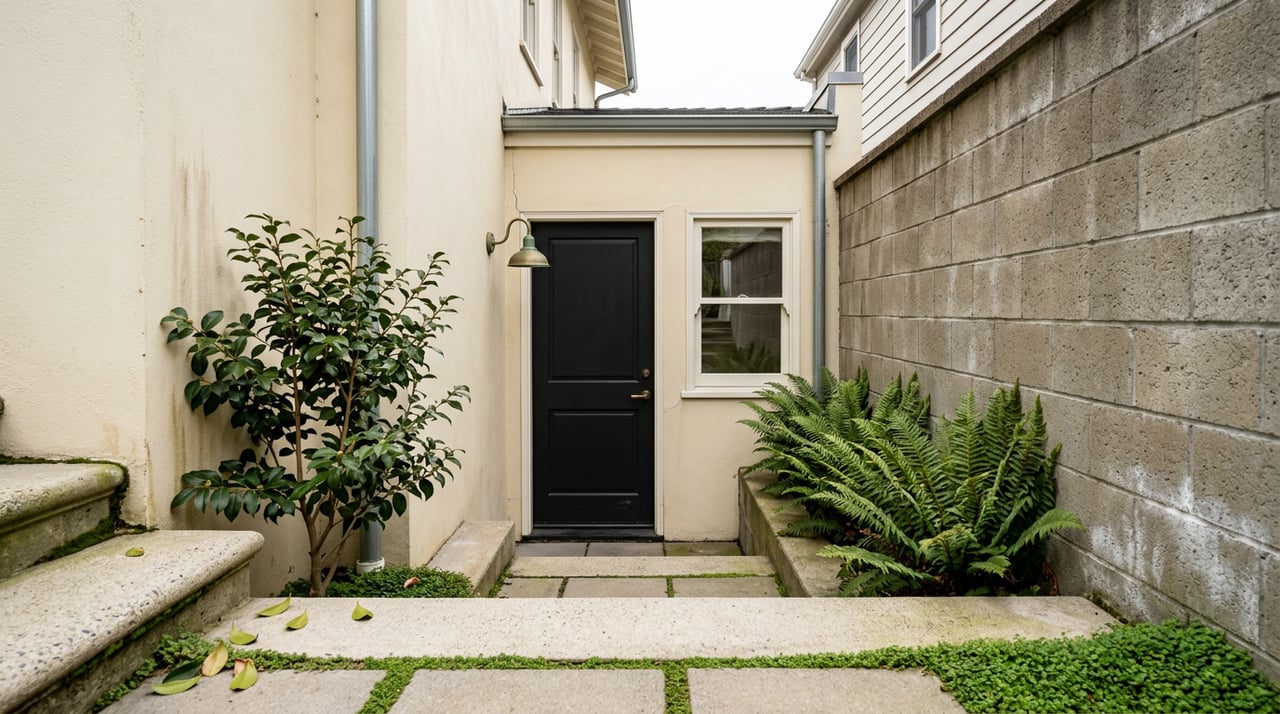
That matters because the housing here often feels different from what you find in more central parts of San Francisco. Planning documents describe many of these neighborhoods as garden suburbs, with larger lots, landscaped setbacks, and curving streets that create a more house-oriented environment.
For buyers who want more room to spread out, this neighborhood pattern can be a major advantage. It often means more separation between homes, a more residential streetscape, and a setting that feels quieter than denser areas nearby.
The Streets Feel Residential
West of Twin Peaks has a distinct visual character. In several sub-areas, the streets were intentionally planned to feel less rigid and urban than the city’s classic grid.
In Forest Hill, for example, San Francisco Planning describes a secluded neighborhood with curvilinear streets, large lots, dense planting, and a strong “country in the city” feel. In Midtown Terrace, the city notes detached two-story homes, terraced streets, landscaped front setbacks, and lots that are wider and larger than a typical San Francisco lot.
Other nearby areas reinforce the same pattern. Ingleside Terraces and St. Francis Wood are described as classic residence parks with large lots, curving streets, and neighborhood parks, while Westwood Park is known for its early residence-park planning and landmark entry pillars.
Parks Support Everyday Life
A neighborhood can have attractive homes, but families also tend to look closely at what daily life feels like outside the front door. West of Twin Peaks stands out because parks, playgrounds, and open space are woven into the area.
The city’s planning materials identify neighborhood amenities such as Aptos Playground, Mt. Davidson Park, Miraloma Playground, and Sunnyside Playground within the district. These are not just scenic extras. They help shape how residents use the neighborhood week to week.
At Aptos Playground, you will find a 4.81-acre park with an athletic field, baseball diamond, and tennis courts. West Portal Playground includes an athletic field, playground, picnic area, tennis, and an off-leash dog area.
Miraloma Playground offers a renovated ball field, basketball, tennis, and a recreation center. Sunnyside Playground includes a playground, plaza, basketball, tennis, and reservable picnic areas.
For households that want larger natural spaces nearby, there is also Stern Grove, a 64-acre park in a forest setting, and Mt. Davidson Park, which includes more than 30 acres of forest according to the 19th Avenue Corridor Study.
Schools Add Practical Convenience
For many buyers, school access is part of the neighborhood conversation. West of Twin Peaks benefits from nearby public school options that add to the area’s everyday convenience.
According to SFUSD’s West Portal Elementary page, West Portal Elementary is a TK-5 school with about 600 students, after-school programs, and a Cantonese dual-language immersion pathway. SFUSD also notes that West Portal Elementary feeds into Hoover Middle School.
SFUSD also identifies Sunnyside Elementary as a K-5 school of about 400 students, and Hoover Middle School describes itself as being in the West Portal district. The key takeaway for buyers is not ranking or comparison. It is that this part of the city offers nearby elementary and middle school infrastructure that many households value when thinking about daily routines.
Transit Is Better Than Many Expect
Some buyers assume a more residential west-side neighborhood means limited transit. In West of Twin Peaks, that is not the full picture.
The SFMTA West of Twin Peaks neighborhood page lists extensive service in the area, including the K Ingleside, L Taraval, M Ocean View, 28 19th Avenue Rapid, 29 Sunset, 36 Teresita, 43 Masonic, 44 O’Shaughnessy, 48 Quintara/24th Street, 49 Van Ness/Mission, and 57 Parkmerced.
West Portal Station is especially important. SFMTA describes it as a key connection point where three rail lines and two bus routes intersect, serving about 50,000 daily riders, with roughly 5,000 riders boarding near the station each day.
For broader regional travel, Balboa Park Station is also a major connection point served by four BART lines. That gives residents practical access to both local destinations and cross-Bay commutes.
Daily Errands Stay Close to Home
Another reason the area works well for many households is that it balances a quieter residential setting with useful commercial corridors. You do not have to choose between peace and practicality.
SFMTA describes West Portal as a vibrant commercial corridor with restaurants and shops. San Francisco Planning also highlights Ocean Avenue as a key pedestrian, bicycle, and transit connection linking Balboa Park BART and Muni, City College, Phelan Loop, and the Ocean Avenue commercial district.
In practical terms, that means errands, transit, and neighborhood services are still part of daily life here. The area can feel more relaxed than denser parts of the city without feeling cut off.
The Trade-Off Is the Climate
No San Francisco neighborhood guide is complete without talking about weather. West of Twin Peaks often comes with cooler, foggier conditions than many eastern neighborhoods.
According to San Francisco’s Climate Health and Equity report, the city’s fog and mountains create microclimates, leading to meaningful temperature and air-quality differences between western and eastern neighborhoods. The report notes that San Francisco is shaped by cool coastal temperatures and the afternoon marine layer.
For many buyers, this is simply part of the trade-off. You may gain more space, a more residential feel, and easier access to parks, but you should also expect west-side weather patterns that can be cooler and grayer.
Why Buyers Keep Returning Here
When you put the pieces together, the appeal becomes clear. West of Twin Peaks offers detached homes, larger lots, landscaped setbacks, neighborhood parks, practical school access, and stronger transit connections than many people expect.
It also offers a version of San Francisco living that feels distinct. The area is still very much part of the city, but its lower-density form and residential planning give it a calmer rhythm that many households find compelling.
If you are weighing where to focus your search, West of Twin Peaks is worth a close look, especially if you want a home-oriented setting with everyday convenience built in. If you are considering a move and want clear, local guidance on how West of Twin Peaks compares with other San Francisco neighborhoods, Meagan Levitan offers a thoughtful, highly personalized approach.
FAQs
Why does West of Twin Peaks feel different from denser San Francisco neighborhoods?
- West of Twin Peaks includes many detached single-family homes, larger lots, landscaped setbacks, and curving residential streets, which create a more house-oriented feel than many central city neighborhoods.
What parks and playgrounds are located in West of Twin Peaks?
- The area includes amenities such as Aptos Playground, West Portal Playground, Miraloma Playground, Sunnyside Playground, Stern Grove, and Mt. Davidson Park.
What public school options are near West of Twin Peaks?
- SFUSD lists West Portal Elementary, Sunnyside Elementary, and Hoover Middle School as nearby public school options connected to this part of San Francisco.
How is transit in West of Twin Peaks for commuting around San Francisco?
- The neighborhood is served by multiple Muni rail and bus lines, with West Portal Station as a major transfer point and Balboa Park Station providing BART access.
What is the weather like in West of Twin Peaks compared with eastern San Francisco?
- West of Twin Peaks is often cooler and foggier because San Francisco’s western neighborhoods are more influenced by coastal weather and the marine layer.