Wondering how to prepare a luxury home for sale in the Mission District without missing the details that matter? If you own a high-value home here, you are not launching into one simple neighborhood market. You are stepping into a fast-moving set of micro-markets where block, property type, presentation, and timing can all shape your result. This guide walks you through how to prep, price, and position your Mission home so you can enter the market with confidence. Let’s dive in.
Start With the Mission’s Micro-Markets
The Mission District is compact, mixed-use, and highly walkable, with major corridors along Mission Street, Valencia Street, and 24th Street. It is also well served by transit, including the 16th Street Mission and 24th Street Mission BART stations. That means buyers often evaluate not just the home itself, but how it lives within its immediate block and corridor.
For a luxury seller, that context matters. A home on an active street may raise different buyer questions than one on a quieter residential block. Privacy, sound buffering, parking, and how the home presents from the street can all carry more weight depending on the exact location.
This is why preparing to list a luxury home in the Mission District starts with a block-by-block strategy. The strongest launch usually reflects the property’s micro-location instead of relying on a broad neighborhood story.
Know the Current Market Pace
Recent market signals suggest that the Mission remains competitive. In May 2026, Redfin reported a Mission District median sale price of $1.35 million over the prior three months, up 11.8% year over year, with a median 21 days on market. That gives sellers a useful baseline, but luxury properties often move on a different track than the broader neighborhood median.
At the city level, San Francisco Association of Realtors data for March 2026 showed notable differences by property type. Single-family homes posted a $1.65 million median and 20 days on market, while condo, TIC, and co-op properties posted a $1.125 million median and 36 days on market. Supply also differed, with 1.0 months for single-family homes and 2.4 months for condo, TIC, and co-op homes.
At the luxury end, San Francisco’s median luxury sale price reached $6,808,561 in March 2026, up 9% year over year. Typical luxury homes went under contract in 12 days, and 62.4% of luxury sales closed within two weeks. In practical terms, your first impression in the market matters immediately.
Clean Up the Paper Trail Early
Before you think about photography or staging, review the property record. San Francisco gives sellers useful tools through its public property information repository and the Department of Building Inspection permit and complaint tracking system. These tools can help you verify past work, identify open issues, and organize the facts before buyers begin asking questions.
If your home has had renovations, additions, systems work, or exterior changes, it is smart to check the record early. Unresolved permit history or complaint issues can create friction later, especially with discerning luxury buyers who tend to review disclosures closely. A clean, organized file helps support a smoother launch.
This step is especially important in a detail-driven market like San Francisco. The more complete and orderly your disclosure package is before showings begin, the more confidence you can build from day one.
Prepare for California Disclosures
California sellers should be ready for a thorough disclosure process. The Real Estate Transfer Disclosure Statement is a statement of condition, not a warranty, and natural hazard disclosures may apply when a property is located in mapped hazard areas. These can include special flood hazard areas, dam inundation areas, very high fire hazard severity zones, earthquake fault zones, and seismic hazard zones tied to liquefaction or landslide risk.
If it is not reasonably clear whether a parcel falls within one of these mapped zones, the standard can require a cautious approach unless an expert report says otherwise. For sellers, the key takeaway is simple: gather information early and avoid scrambling once the home is on the market.
If your home was built before 1978, lead-based paint rules may also apply. California guidance notes that sellers of these residential dwellings must provide lead disclosures, offer a 10-day opportunity to inspect for lead-based paint hazards, and deliver the required EPA pamphlet before the transaction is formed.
Focus on High-Impact Prep
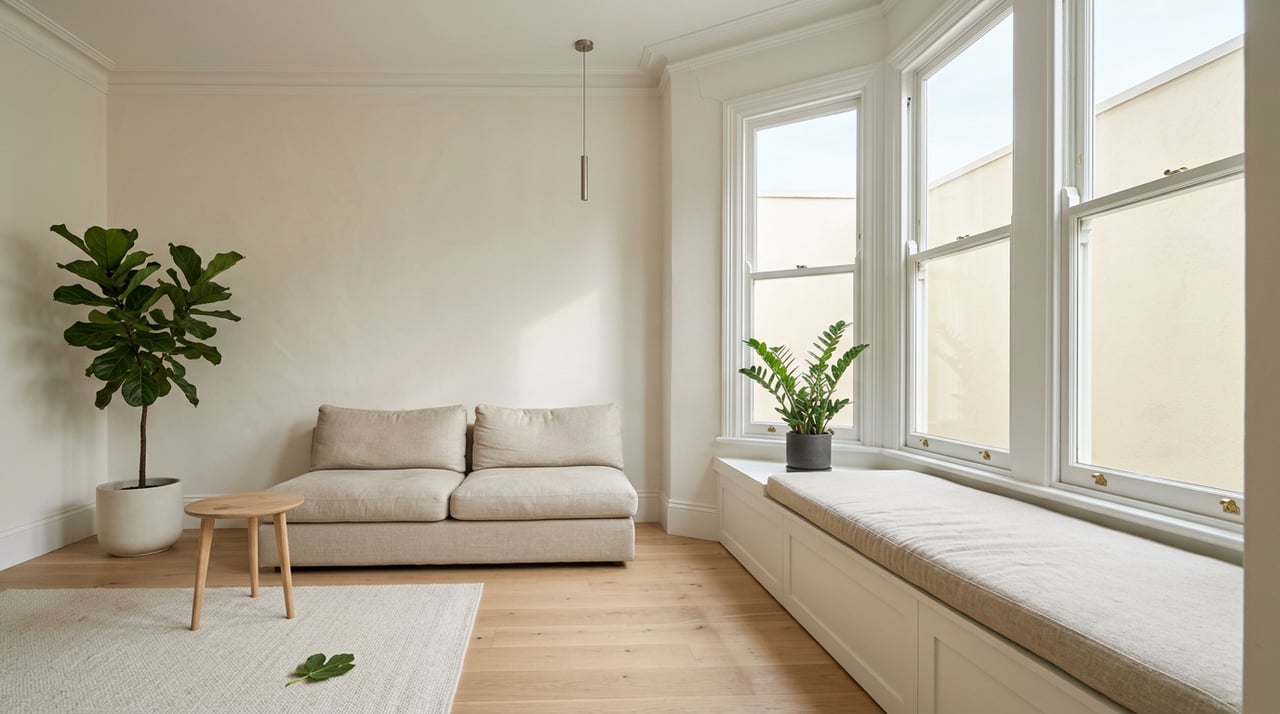
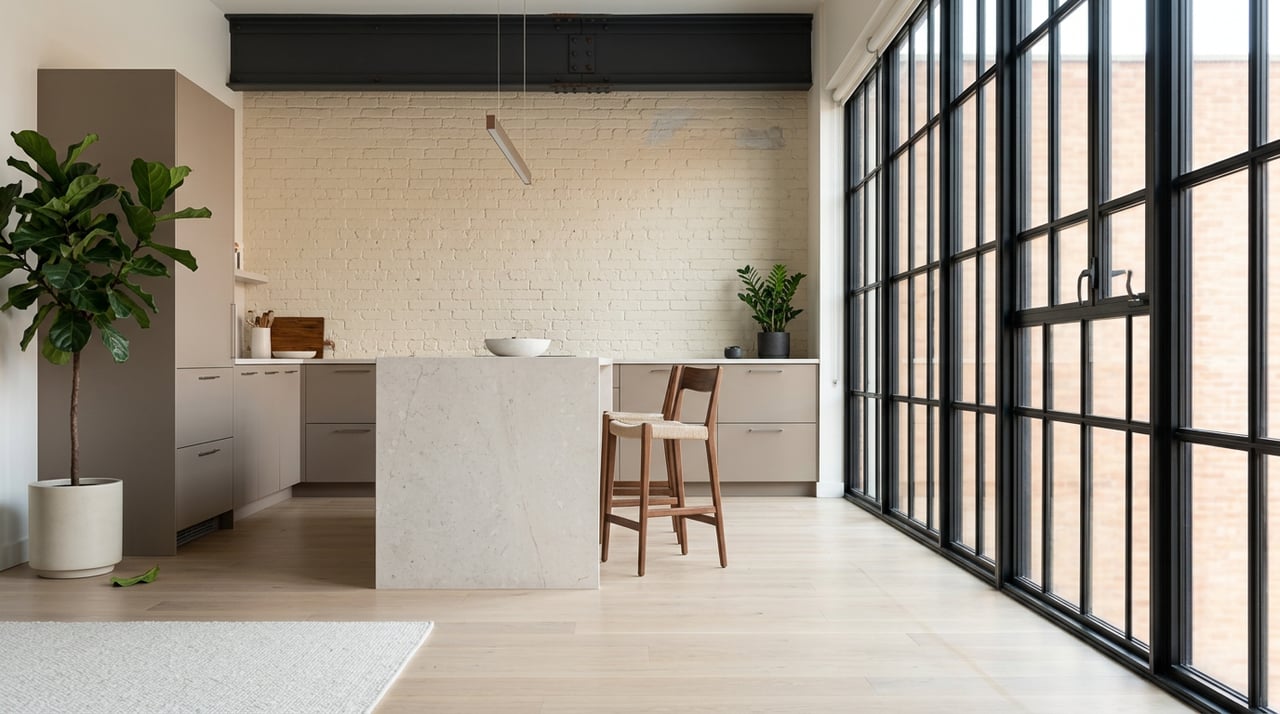
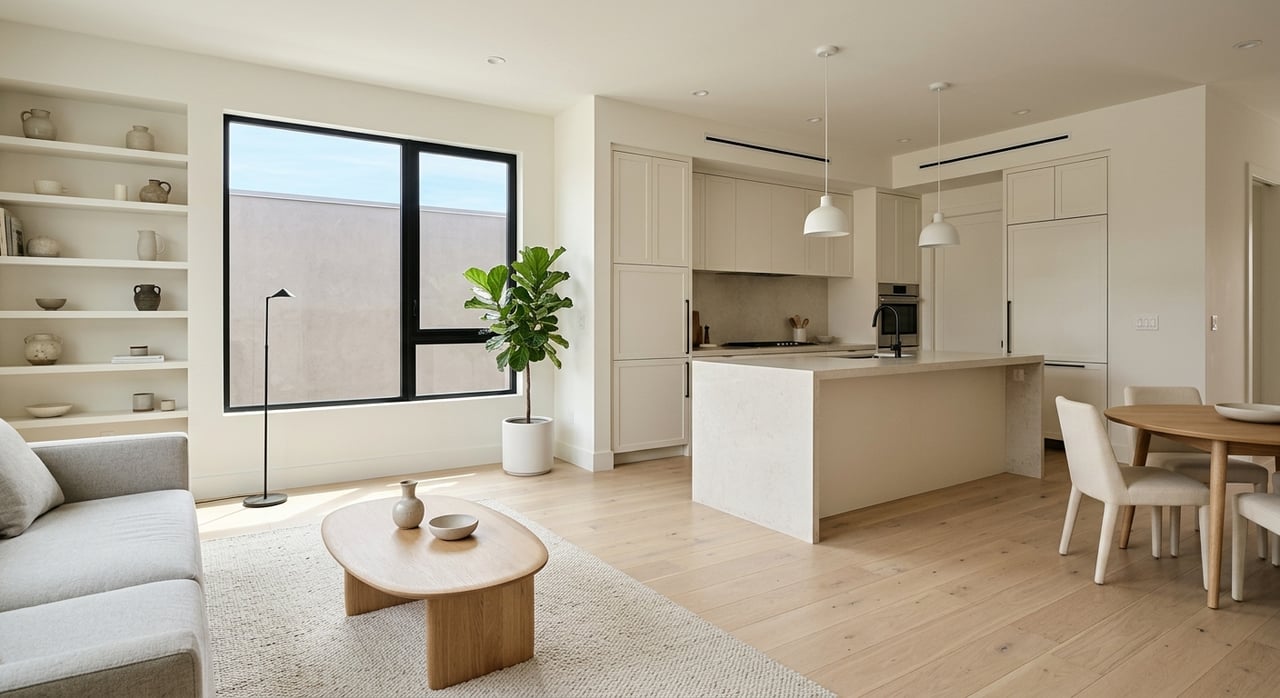
Most luxury listings benefit more from targeted preparation than from a full remodel right before sale. Cleaning, decluttering, touch-up work, neutral paint, reducing bulky furniture, and sharpening curb appeal often create a stronger return than starting a large renovation project with uncertain payoff.
That approach also fits what buyers tend to respond to. According to 2025 staging research, 83% of buyers’ agents said staging helps buyers visualize a home as their future residence. The same research found that 49% of sellers’ agents reported faster sales, and 29% said staging produced a 1% to 10% increase in dollar value offered.
For Mission luxury homes, the goal is not to erase character. It is to present the home with clarity so buyers can appreciate scale, light, finishes, and flow. A calm, polished presentation helps buyers connect emotionally while still seeing the property accurately.
Prioritize These Pre-Listing Updates
- Deep clean the entire home
- Remove clutter and overly personal items
- Refresh paint where needed with neutral tones
- Edit bulky or mismatched furniture
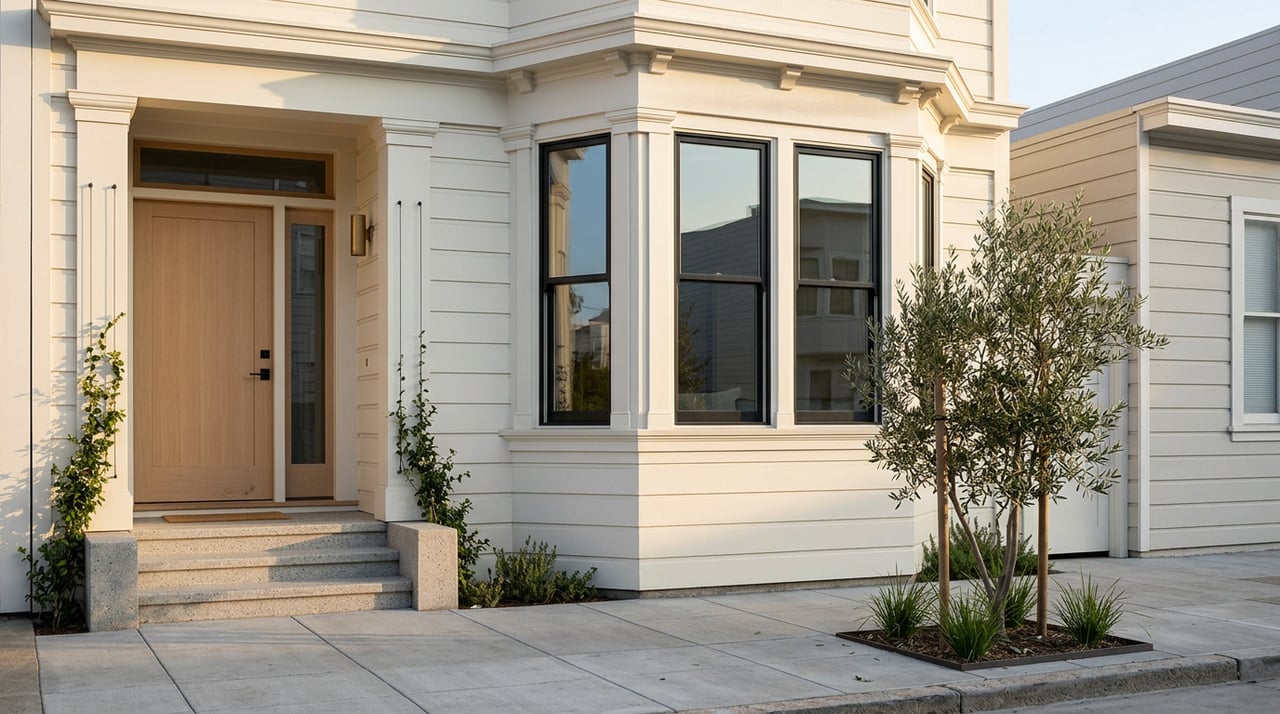
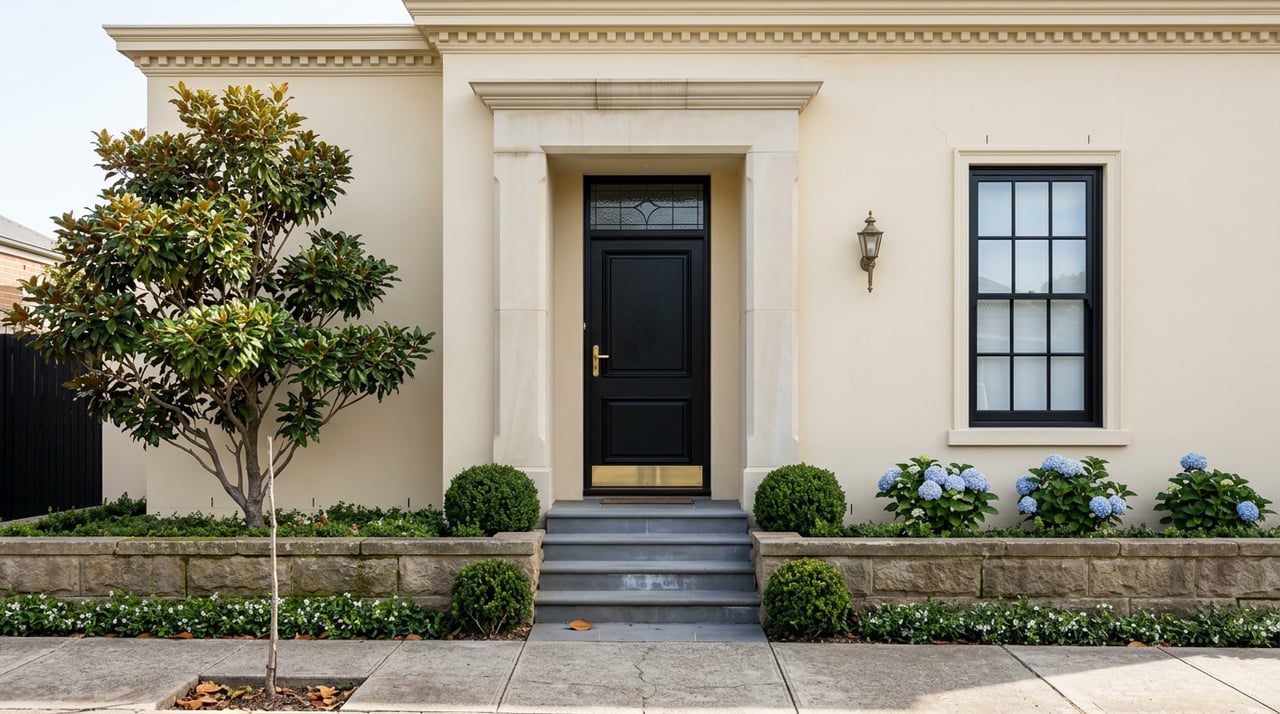
- Improve entry presentation and exterior details
- Address minor cosmetic repairs before photography
- Organize storage areas, closets, and utility spaces
Tailor Staging to the Block
Not every Mission listing should be staged the same way. A home near Valencia may benefit from a polished, urban presentation that emphasizes indoor-outdoor flow, natural light, and smart use of space. A property on or near a busier corridor may need staging and marketing that address privacy, sound control, and retreat-like comfort.
On or near Calle 24, context matters in a different way. San Francisco Planning notes that the 24th Street Special Area Design Guidelines are intended to ensure projects respond to the area’s unique neighborhood character, while Calle 24’s mission centers on preserving Latino cultural continuity, vitality, and community. For sellers, that means authenticity and architectural sensitivity can matter in how a home is presented.
In practical terms, avoid staging that feels generic or disconnected from the property’s setting. Luxury buyers in the Mission often respond best when the home feels elevated, intentional, and true to its architecture and location.
Invest in Strong Visual Marketing
Once the home is physically ready, the next step is visual storytelling. Buyer feedback research shows that photos are highly important, followed by physical staging, videos, and virtual tours. In a fast-moving luxury segment, those first visuals often shape whether a buyer books a showing or moves on.
This is where a premium marketing plan can make a real difference. Professional photography, thoughtful video, and a consistent story about the home’s design, livability, and location help your listing stand out in a crowded digital environment. For a Mission luxury listing, that story should show both the property and its place within the neighborhood.
If virtual staging is used, it should be disclosed when photo enhancements materially alter the property. Clear and accurate presentation builds trust and helps attract serious buyers.
Price by Property Type and Micro-Location
Luxury pricing in the Mission should never rely on a simple citywide median. The neighborhood does not behave like one uniform market, and property categories in San Francisco move at different speeds. A single-family home, a luxury condo, and a TIC may each require a different pricing lens, even within the same broader area.
The best pricing strategy is built from true comparable sales matched by property type, block, condition, and market position. A home near active retail corridors may be valued differently than a similar-sized property on a quieter stretch. Buyers notice these differences, and your pricing should reflect them.
A thoughtful pricing conversation should also account for seller net proceeds. San Francisco imposes a real property transfer tax that varies by consideration or value, so this cost should be part of the plan before you go live.
Treat Launch Week as the Main Event
In San Francisco’s luxury market, launch quality carries real weight. With typical luxury homes going under contract in 12 days and many closing within two weeks, you may have a narrow window to capture the strongest early demand. That makes preparation before listing more important than corrections after the fact.
A strong first week usually includes:
- A polished and well-supported list price
- Complete and organized disclosures
- Professional photography and video
- Staging that fits the home and block
- A clear narrative about what makes the property stand out
When these pieces are aligned, you are better positioned to attract qualified buyers quickly and protect value from the start.
Why Mission Luxury Sellers Need a Local Strategy
Preparing to list a luxury home in the Mission District is not just about making the home look beautiful. It is about reading the block, understanding property type dynamics, organizing disclosures, and launching with precision. In a neighborhood defined by mixed-use streets, cultural depth, and micro-market differences, thoughtful preparation can give you a meaningful advantage.
If you are considering a sale, the right plan should feel calm, clear, and tailored to your home. For discreet guidance on pricing, preparation, and launch strategy in San Francisco’s luxury market, connect with Meagan Levitan.
FAQs
What makes the Mission District different when listing a luxury home?
- The Mission functions as a set of micro-markets, not one uniform market, so block, corridor, property type, and street context can all affect buyer expectations and pricing.
What should Mission District sellers do before listing a home?
- Review the property’s permit and complaint history, organize disclosures, complete high-impact cosmetic prep, and build a pricing strategy based on true comparable sales.
Does the street location matter for a Mission District luxury listing?
- Yes. Homes on Mission Street, Valencia Street, 24th Street, and quieter residential blocks may appeal to buyers in different ways, especially around privacy, sound, parking, and presentation.
Are full remodels necessary before listing a luxury home in the Mission?
- Usually not. Targeted improvements like cleaning, decluttering, paint, minor repairs, and thoughtful staging often deliver stronger results than a major pre-sale remodel.
What disclosures matter when selling a luxury home in San Francisco?
- Sellers may need to provide the Transfer Disclosure Statement, natural hazard disclosures when applicable, and lead-based paint disclosures for residential dwellings built before 1978.
Why is the first week on market so important for San Francisco luxury homes?
- Recent luxury market data shows many high-end homes go under contract quickly, so strong pricing, polished presentation, and complete disclosures can have an outsized impact right away.