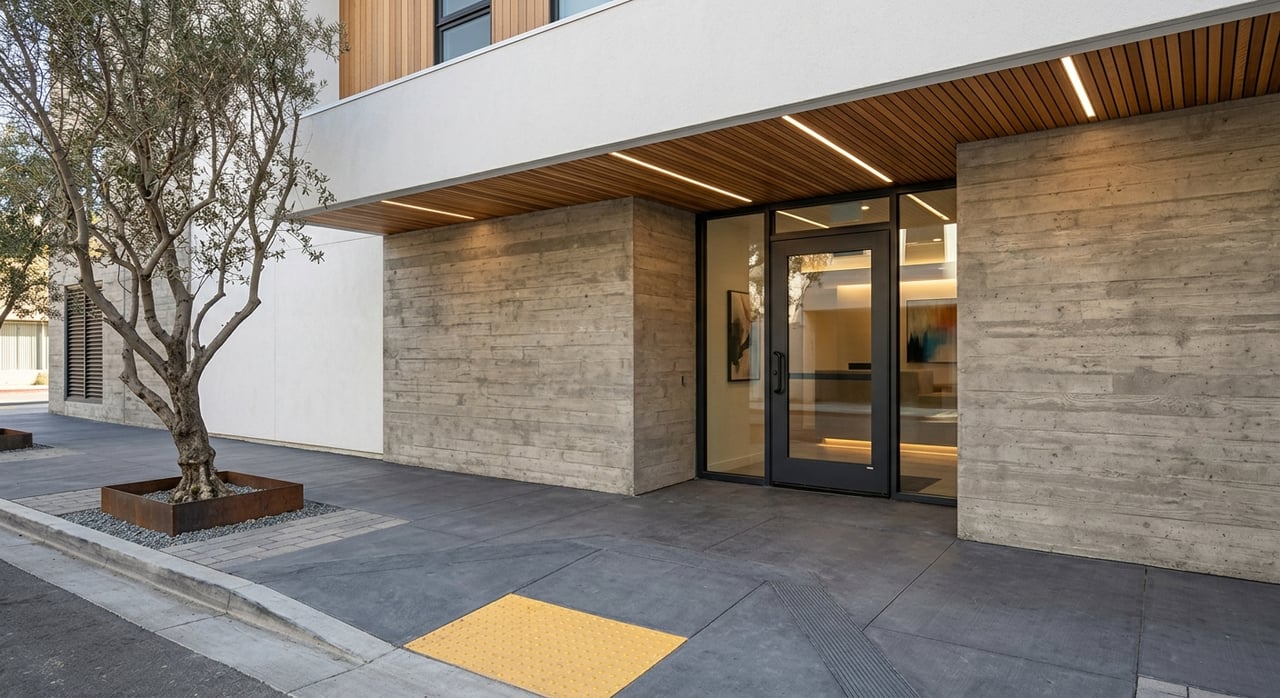
Wondering whether you can really live in SoMa without a car? In the right part of the neighborhood, the answer is often yes, but it depends on how you like to move through the city. If you are considering a condo or home here, it helps to understand which blocks make daily life easier on foot, by bike, and on transit. Let’s take a closer look at what car-free living in SoMa actually feels like.
Why SoMa Works Car-Free
SoMa is one of those San Francisco neighborhoods where a car-light lifestyle can be genuinely practical. SFMTA notes that the area connects well to Muni, and the strongest setup is usually found near Market Street, Yerba Buena, Moscone, and the waterfront.
That matters because SoMa is not one single experience from block to block. Some parts feel highly connected and easy to navigate without driving, while others still reflect the neighborhood’s industrial past and heavier traffic patterns.
For many residents, the formula is simple. You walk for everyday errands, use Muni or BART for city trips, take Caltrain when heading down the Peninsula, and rely on a bike or Bay Wheels for quick cross-neighborhood hops.
Best Areas for Car-Free Living
If living without a car is a priority, location within SoMa matters almost as much as the home itself. The most transit-friendly blocks are generally closer to Market Street, Yerba Buena, and the waterfront.
These areas give you easier access to multiple transportation options at once. That makes it more realistic to replace many car trips with a mix of walking, Muni, BART, and regional transit.
Near Market Street
Blocks near Market Street benefit from proximity to major transit connections. Powell Street Station and Civic Center/UN Plaza help connect the north edge of SoMa to BART, while Muni service is also extensive in this part of the neighborhood.
If your routine includes commuting, meeting friends in other parts of the city, or getting to downtown quickly, this part of SoMa can make daily movement feel much simpler. You are closer to the kind of transit network that supports spontaneous, no-car living.
Around Yerba Buena and Moscone
Yerba Buena adds another layer of convenience because it blends transit access with a dense mix of cultural destinations, dining, and businesses. SF.gov describes Yerba Buena as the city’s arts hub and highlights its concentration of museums and galleries.
The area around Moscone Center also includes more than 150 businesses, according to SF.gov. That helps explain why many errands and outings in central SoMa can happen on foot.
Closer to the Waterfront
For buyers who value outdoor access and scenic city connections, the waterfront edge of SoMa has strong appeal. SF.gov notes that waterfront destinations are walkable and easy to reach by transit.
From here, the F Historic streetcar and T Third line can expand your range without requiring a car. That can make weekend plans, ballpark visits, and everyday city exploring feel easy and connected.
Transit Options You Would Actually Use
A car-free lifestyle only works if the transit network fits real life. In SoMa, the available options are broad enough that many residents can cover most daily needs without driving.
Muni for Daily City Trips
SFMTA lists several SoMa-serving lines, including F Market & Wharves, T Third Street, 12 Folsom/Pacific, 14 Mission, 14R, 14X, and 27 Bryant. Downtown subway stations between Civic Center and Embarcadero are also shared by Muni and BART, which increases flexibility.
In practical terms, this means you can often get across the city, connect to downtown, or reach nearby neighborhoods without needing to plan around a car. If you bike part of the way, every Muni bus has front bike racks, and folding bikes are allowed on Metro, light rail, and historic vehicles.
BART for Fast Cross-City Access
BART is a major advantage if you want to cut travel time for certain trips. Powell Street Station at Powell and Market sits near Yerba Buena Gardens and Moscone, while Civic Center/UN Plaza gives the north side of the neighborhood another useful option.
For residents, that can mean a faster route for commuting and easier access to destinations beyond SoMa. It also makes the neighborhood feel more connected to the rest of the Bay Area.
Caltrain for Peninsula Travel
Caltrain’s San Francisco station at 700 4th Street is one of SoMa’s most useful assets for car-free living. If your work, family, or social life regularly takes you down the Peninsula, this connection can be a game changer.
Instead of thinking of SoMa as only a San Francisco neighborhood, you can see it as a place with direct regional reach. That expands your options without adding the burden of car ownership.
Salesforce Transit Center for Regional Buses
The Salesforce Transit Center adds another layer of mobility. SFMTA identifies it as a regional bus hub served by routes such as 5, 5R, 7, 10, 12, 14, 14R, 14X, 25, 38, and 38R.
If you like having backup options, this matters. A neighborhood with several overlapping transit systems is usually easier to live in without a car than one that depends on a single line or station.
Biking in SoMa
Biking is a meaningful part of the no-car routine in SoMa, especially for short to mid-range trips. SFMTA’s bike network map shows lanes, routes, paths, and nearby Bay Wheels stations, and the city has built or planned improvements on corridors including Howard, Folsom, Beale, 7th, 8th, Bryant, and Brannan.
That said, the biking experience is not uniform across the neighborhood. SFMTA notes that the Howard and Folsom corridor was originally built to support manufacturing and warehousing, and the area still carries traffic-safety concerns that current streetscape work is meant to address.
So if you are a confident urban cyclist, SoMa may feel very manageable. If you are newer to biking in the city, you will likely want to pay close attention to the exact route between a home and your most frequent destinations.
Walkability Is a Big Part of the Appeal
For many people, the biggest surprise about living car-free in SoMa is not the transit. It is how much daily life can happen within a comfortable walk.
Around Yerba Buena and Moscone, you have a strong concentration of museums, galleries, dining, small businesses, and entertainment venues. Thousands of residents already live in apartments, condos, and live/work spaces in this part of the neighborhood, which supports an active, mixed-use feel.
That kind of environment can reduce the need for a car more than any single transit line. When meals, coffee, culture, and routine errands are nearby, you naturally drive less because you simply do not need to.
What the Lifestyle Feels Like Day to Day
Living car-free in SoMa often means building your routine around access rather than parking. You might walk to grab coffee, take Muni or BART for a meeting, use Caltrain for Peninsula travel, and bike to another neighborhood for dinner.
For some buyers, that sounds freeing. For others, it requires a mindset shift, especially if they are used to loading up a car for every errand.
SoMa can reward people who are comfortable with that tradeoff. You may gain convenience, flexibility, and a more connected urban lifestyle, but the experience is strongest when your home is on a block that supports those habits.
What to Watch Before You Move
The biggest thing to understand is that SoMa is not car-free by default. According to SFMTA, some corridors still feel shaped by higher vehicle volumes, and the neighborhood can feel mixed-use and in transition rather than uniformly pedestrian-first.
That is why micro-location matters. Two homes both labeled “SoMa” can offer very different experiences depending on how close they are to Market Street, Yerba Buena, transit stations, and safer bike connections.
If a car-free lifestyle is important to you, it is worth evaluating a home through that lens. Think about your most common routes, not just the map pin.
The Bottom Line on Car-Free SoMa
SoMa is one of San Francisco’s more realistic places to live without a car, especially if you are near Market Street, Yerba Buena, or the waterfront. The neighborhood offers a useful combination of walkability, Muni access, BART connections, Caltrain service, regional buses, and improving bike infrastructure.
The tradeoff is that the experience is uneven block by block. If you choose the right location and you are comfortable relying on walking, transit, and biking, SoMa can support a lifestyle that feels convenient, flexible, and very San Francisco.
If you are weighing where in San Francisco your day-to-day life will feel easiest, neighborhood nuance matters. For thoughtful guidance on SoMa and other city micro-markets, connect with Meagan Levitan.
FAQs
Is SoMa San Francisco good for living without a car?
- Yes, many parts of SoMa can support car-free living, especially blocks near Market Street, Yerba Buena, Moscone, and the waterfront where transit and walkable amenities are strongest.
What transit options serve SoMa in San Francisco?
- SoMa is served by Muni lines including F Market & Wharves, T Third Street, 12 Folsom/Pacific, 14 Mission, 14R, 14X, and 27 Bryant, along with BART stations at Powell Street and Civic Center/UN Plaza, Caltrain at 700 4th Street, and regional buses at Salesforce Transit Center.
Is SoMa San Francisco walkable for errands and dining?
- In central SoMa, especially around Yerba Buena and Moscone, many errands, dining outings, and cultural destinations can be handled on foot thanks to the concentration of businesses and venues.
Can you bike around SoMa without a car?
- Yes, biking is a practical option for many trips in SoMa, and SFMTA shows bike improvements on corridors such as Howard, Folsom, Beale, 7th, 8th, Bryant, and Brannan, though conditions still vary by block.
What part of SoMa is most convenient for a car-light lifestyle?
- The most convenient areas are generally the transit-rich blocks closer to Market Street, Yerba Buena, and the waterfront, where walking, Muni, BART, and Caltrain are easier to combine in daily life.