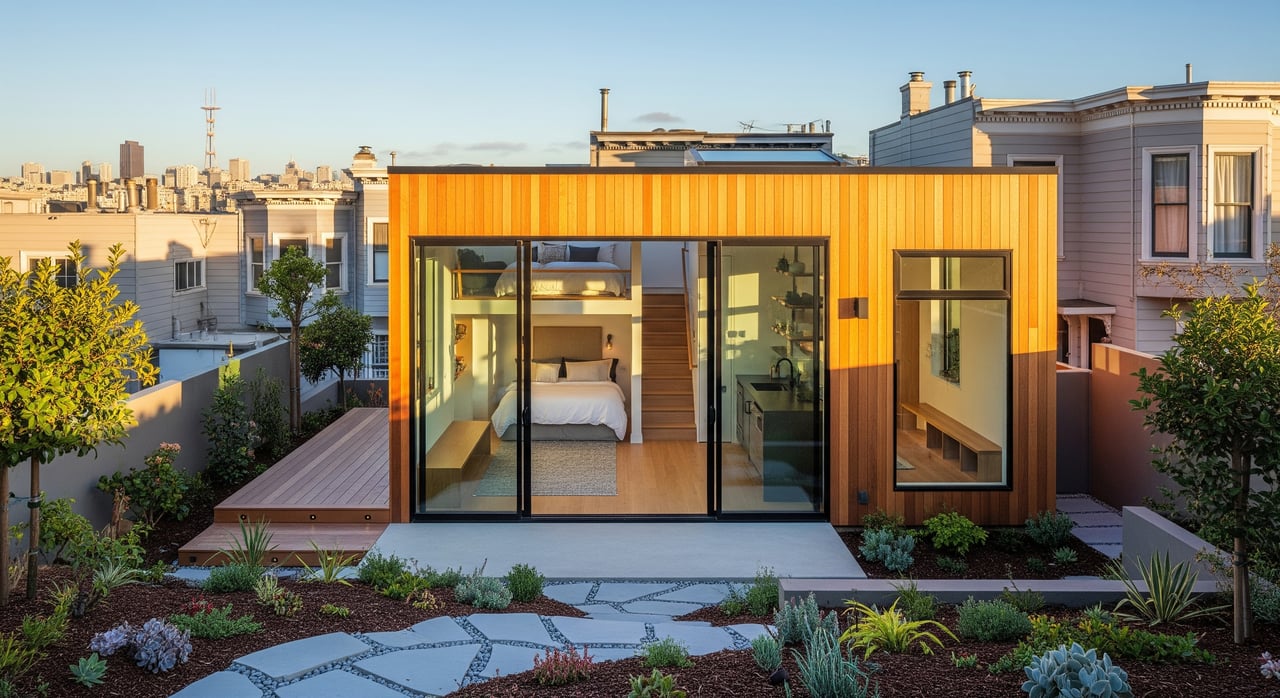
Thinking about adding an ADU to your Mission District property? The right plan can unlock steady rental income and strengthen resale value, yet not every project pencils out on a tight urban lot or in a historic building. You want clarity on approvals, layout choices, costs, and how buyers and lenders view ADUs in San Francisco. This guide shows you what typically adds value in the Mission and how to move from idea to permitted unit with fewer surprises. Let’s dive in.
What actually adds value
Permitted ADUs that match neighborhood demand usually add the most value. In the Mission, long-term renters often seek studios and 1-bedroom units, which align well with typical ADU sizes. Buyers who plan to occupy the main home may prize an ADU for income support or multi-generational living.
Focus on scope that meets objective standards and avoids discretionary review. Simple interior or garage conversions tend to move faster and cost less than detached new builds. Plan for long-term rental use, not short-term rental income, given San Francisco’s strict rules and enforcement.
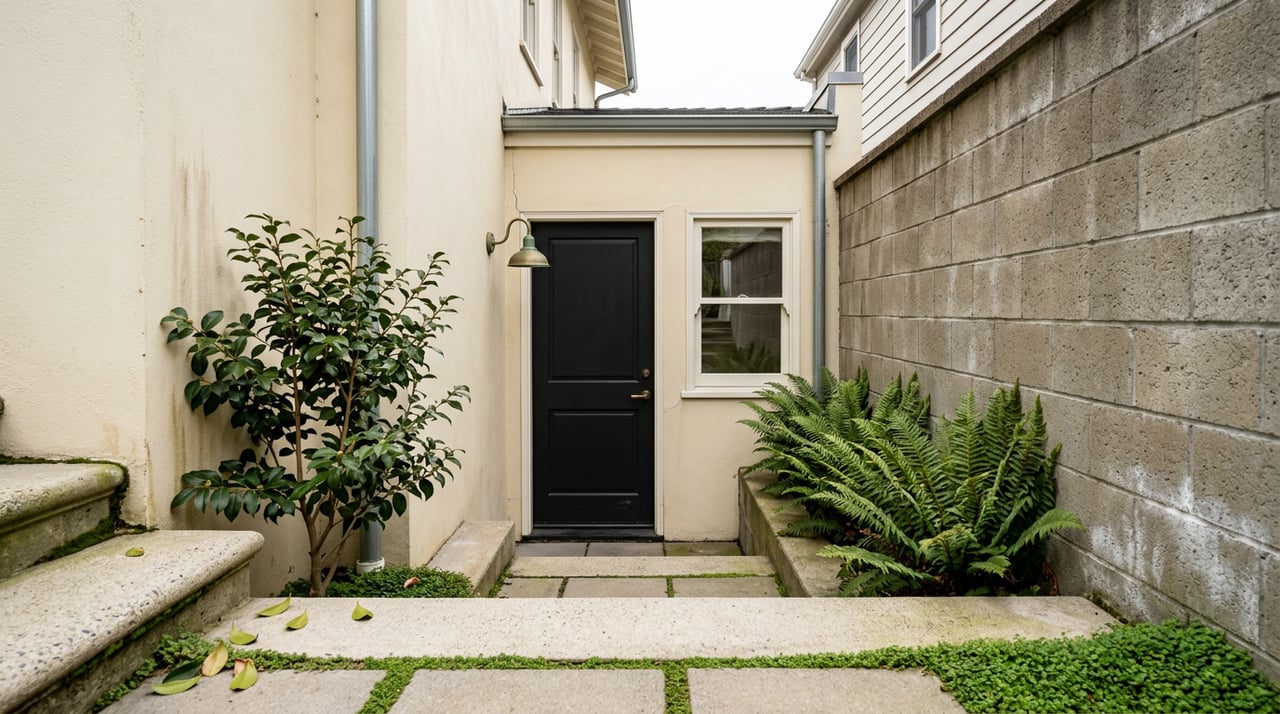
Details matter. Clear, separate entry, good light, code-compliant egress, and strong soundproofing help marketability. Most of all, a fully permitted ADU typically carries more buyer confidence and appraisal support than an unpermitted space.
Know the rules in San Francisco
California law encourages ADUs with streamlined, ministerial approvals when proposals meet objective standards. San Francisco implements those rules and adds local procedures for planning clearance, building permits, and inspections.
Ministerial vs discretionary review
If your design meets objective standards and does not trigger historic or variance issues, you can often pursue a ministerial path. Projects that alter contributing historic structures or need variances generally face discretionary review and longer timelines.
Parking and transit proximity
State rules limit local parking requirements for ADUs near transit. The Mission is transit rich, so most ADUs do not require new parking. Conversions that remove an existing garage can trigger other code considerations, so flag those early.
Short-term rental limits
San Francisco closely regulates short-term rentals. Registration, primary residency proof, tax remittance, and operating limits apply. If value depends on vacation-rental income, your risk is higher. Plan for long-term rental use unless you confirm compliance.
Historic resources and exterior changes
Parts of the Mission include historic districts and older contributing buildings. Exterior changes can require historic review and may be limited. Interior-first strategies often reduce risk on historic properties.
Mission property realities
Typical Mission lots are narrow with small rear yards. This limits detached backyard cottages and can complicate construction access. Many buildings are multi-unit with shared utilities and party walls, which makes separations and upgrades more complex.
Basement and garage spaces are common targets for conversion, yet ceiling height, drainage, light, egress, and foundation conditions are frequent hurdles. New dwelling units can trigger fire protection and egress upgrades, and older buildings may require seismic or structural work to meet code.
Before you commit, line up a few key checks:
- Title and parcel map review to catch easements and encroachments.
- Preliminary historic/resource screening with Planning.
- A site survey or as-built drawings to confirm setbacks, yard depth, and access.
- Early confirmation of possible code triggers such as sprinklers, number of units, and garage conversion impacts.
Best-fit ADU types and layouts
Different property types call for different ADU approaches. In the Mission, the most practical options often build within the existing envelope.
Internal conversions
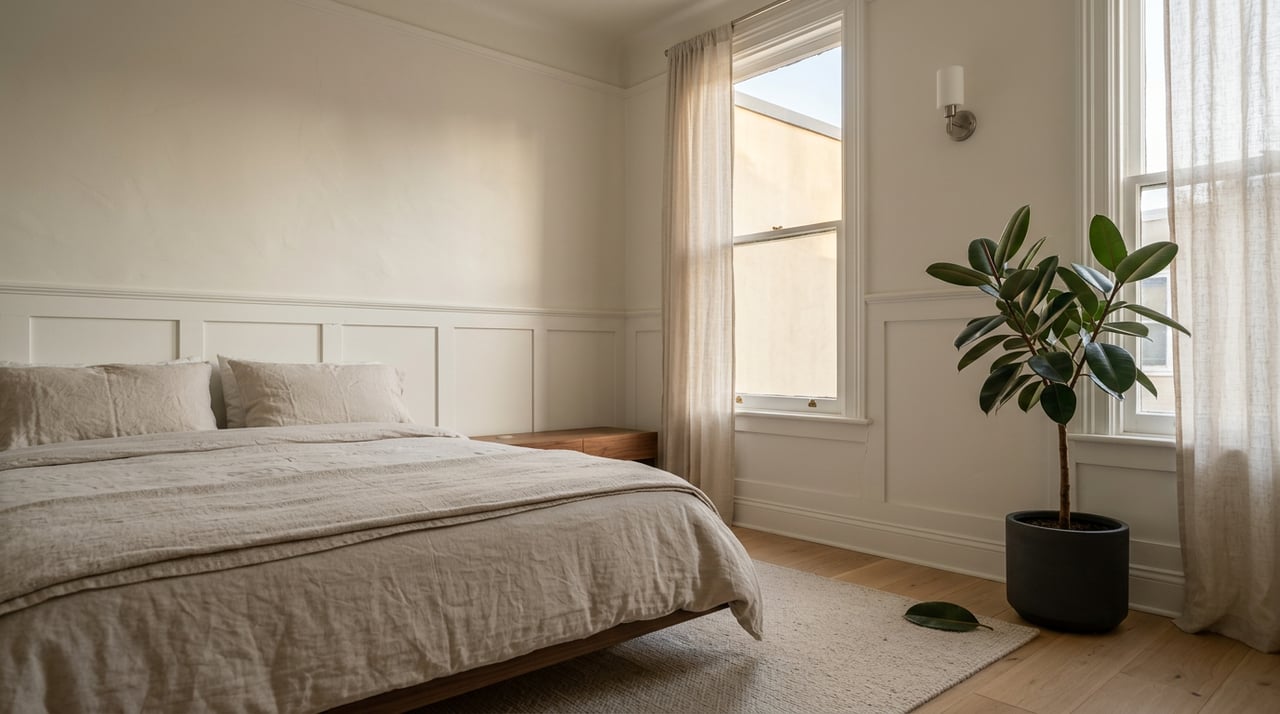
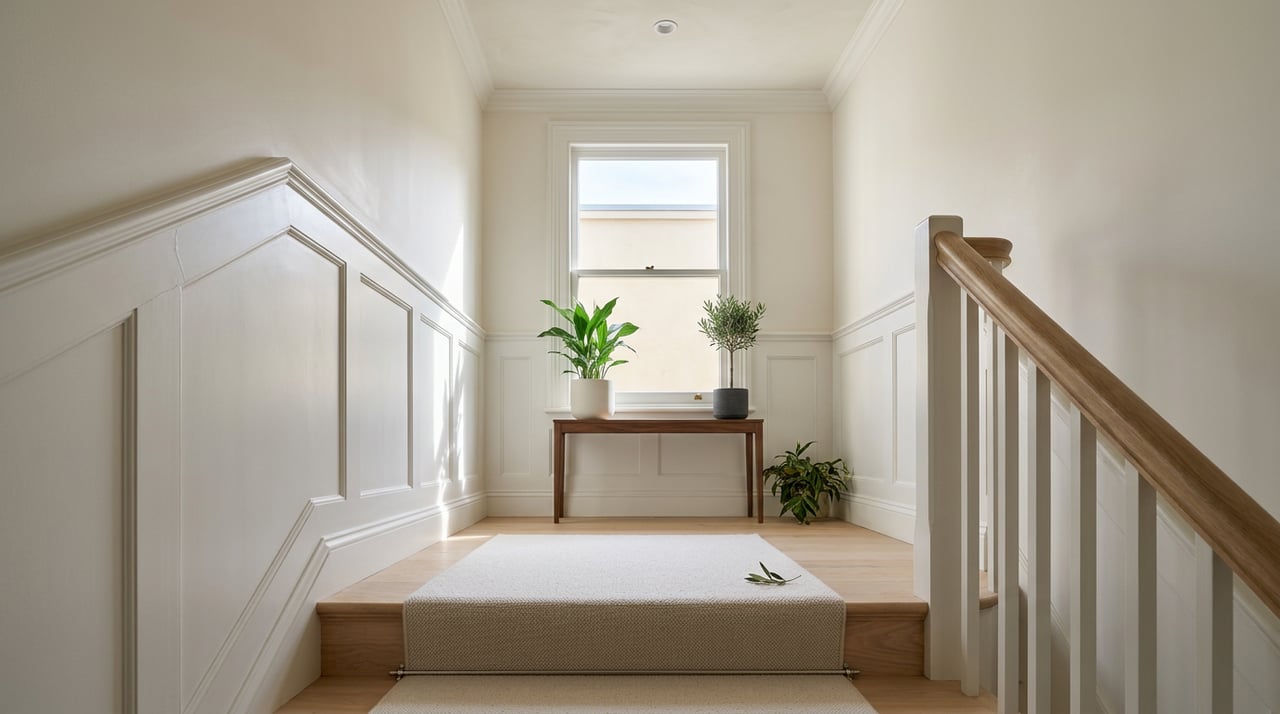
Turning part of a basement, attic, or interior area into an ADU can be the lowest-cost path. Minimal exterior work helps speed permitting when you meet code for egress, light, ventilation, and ceiling height. Watch for foundation and drainage issues in basements.
Garage conversions
If you have a usable attached or detached garage, conversion can be cost effective. You keep the existing footprint, which reduces site work. Expect structural reinforcement, insulation, and full new systems to bring it up to dwelling standards.
Detached or rooftop builds
Detached backyard cottages and above-garage or rooftop ADUs offer separation and potentially larger footprints. They also bring higher costs, more structural work, and more review exposure, especially on constrained or historic parcels. Privacy and neighbor impacts require careful design.
Junior ADUs (JADUs)
JADUs convert a portion of the main dwelling up to roughly 500 square feet with a separate entrance. They are small and often faster to permit. The kitchen is limited compared to a full ADU, which can affect rent potential.
Common Mission unit sizes
- Studios and 1-bedrooms at roughly 350 to 700 square feet are most common for conversions.
- Larger detached or above-garage units can reach 700 to 1,000 plus square feet when lot coverage and code allow.
- JADUs are typically 200 to 500 square feet.
Costs and timelines
Every project is site specific, but a few patterns hold in San Francisco. Interior or garage conversions can start in the mid tens of thousands and run into the low to mid six figures depending on structural, fire-life-safety, MEP systems, and finishes. Detached new-build ADUs often land in the mid hundreds of thousands due to foundations, utilities, and site work.
Plan for architectural and engineering fees, permit costs, and possible abatement or seismic upgrades. Soft costs in complex projects can reach 10 to 20 percent or more of the total. Labor, material prices, and site access add variance.
Timelines vary. Interior or garage conversions that meet objective standards can move through planning and permits in several months, with construction taking another 2 to 6 months depending on scope. Detached or historically sensitive projects can run 6 to 18 months from planning start through completion.
Value and ROI in the Mission
Long-term rental demand is resilient in the Mission thanks to central location, transit access, and neighborhood amenities. Studios and 1-bedrooms are often strong performers, which aligns with typical ADU size. For resale, many buyers value a permitted ADU for income support or flexibility for extended family.
Appraisers look at permitted status, market rents, and comparable sales that include ADUs. Some use an income approach when there is documented rent. Unpermitted ADUs usually add less or no value and can create escrow risk.
Lenders have expanded options for considering ADU rental income under defined conditions. Acceptance differs by lender and product. Some allow projected market rent, while others want leases or a rental history, so verify early.
A practical roadmap
Follow a clear process to reduce surprises and protect value:
- Feasibility and survey
- Review title, parcel map, and any encroachments.
- Order a site survey or as-builts, and run a preliminary historic/resource screening.
- Pre-design and budget
- Have an architect draft schematic layouts that fit Mission constraints.
- Ask a structural engineer to assess foundations, garage viability, or rooftop loads.
- Request initial cost estimates with contingencies for fire-life-safety and seismic work.
- Planning and permit entry
- Submit for planning clearance and building permits.
- If needed, initiate historic review and utility notifications. Consider a permit expediter for complex cases.
- Construction
- Select a contractor with Mission experience and coordinate subs early.
- Schedule inspections and maintain clean documentation throughout.
- Final inspections and occupancy
- Target a clean sign-off and obtain the final completion certificate.
Common pitfalls to avoid
- Discovering unpermitted work or encroachments late. Do title and survey work up front.
- Underestimating fire, egress, or seismic triggers in older buildings. Budget contingency.
- Historic constraints derailing the design. Start with interior-focused concepts on sensitive properties.
- Relying on short-term rentals for returns. Confirm rules and registration first, or plan for long-term rental.
- Overlooking soft costs. Factor professional fees and plan revisions into your budget.
- Assuming a lender will count ADU income. Verify requirements before you rely on it.
When an ADU may not pay
A detached cottage on a tight lot with historic sensitivities can be expensive relative to rent potential. A basement that needs significant foundation work and drainage fixes may not pencil versus a simpler garage or interior conversion. If your plan depends on short-term rental income, regulatory limits can reduce returns.
If permitted status is uncertain or utility separations are unusually complex, consider a Junior ADU or a smaller internal conversion. Smaller, code-consistent projects that deliver a compliant studio or 1-bedroom often strike the best cost-to-value balance in the Mission.
Next steps
If you want to understand how an ADU could influence your property’s resale and buyer demand, start with a feasibility snapshot and realistic budgets. Then weigh the rent potential of a permitted studio or 1-bedroom against your construction and soft costs.
When you are ready to discuss market positioning or a sale that highlights permitted ADU income, reach out. You will get calm, local guidance on how buyers respond to ADUs in San Francisco and how to showcase compliant improvements in your disclosure package and marketing.
Request a Confidential Home Valuation or connect directly with Meagan Levitan to discuss your next move.
FAQs
Can I build an ADU on my Mission District property?
- It depends on zoning, lot size, setbacks, historic status, and building type, so start with a preliminary screening and site-specific feasibility review.
Which ADU type is most cost effective in the Mission?
- Interior or garage conversions usually offer the best cost and timeline, while detached or rooftop builds tend to cost more and face more review exposure.
Will an ADU increase my resale value in San Francisco?
- A permitted ADU that produces legal rental income commonly increases marketability and can add measurable value, with magnitude influenced by comps, rents, and build quality.
Can I use ADU rent to qualify for a mortgage?
- Some lenders consider ADU income under defined conditions, often requiring permitted status and documentation; confirm details with your lender early.
Are short-term rentals allowed for ADUs in San Francisco?
- Short-term rentals are tightly regulated with registration and operating limits, so relying on vacation-rental income carries higher risk unless you confirm compliance.
How long do Mission ADU projects usually take?
- Interior or garage conversions can take several months for permits plus 2 to 6 months for construction, while detached or historic projects can run 6 to 18 months total.