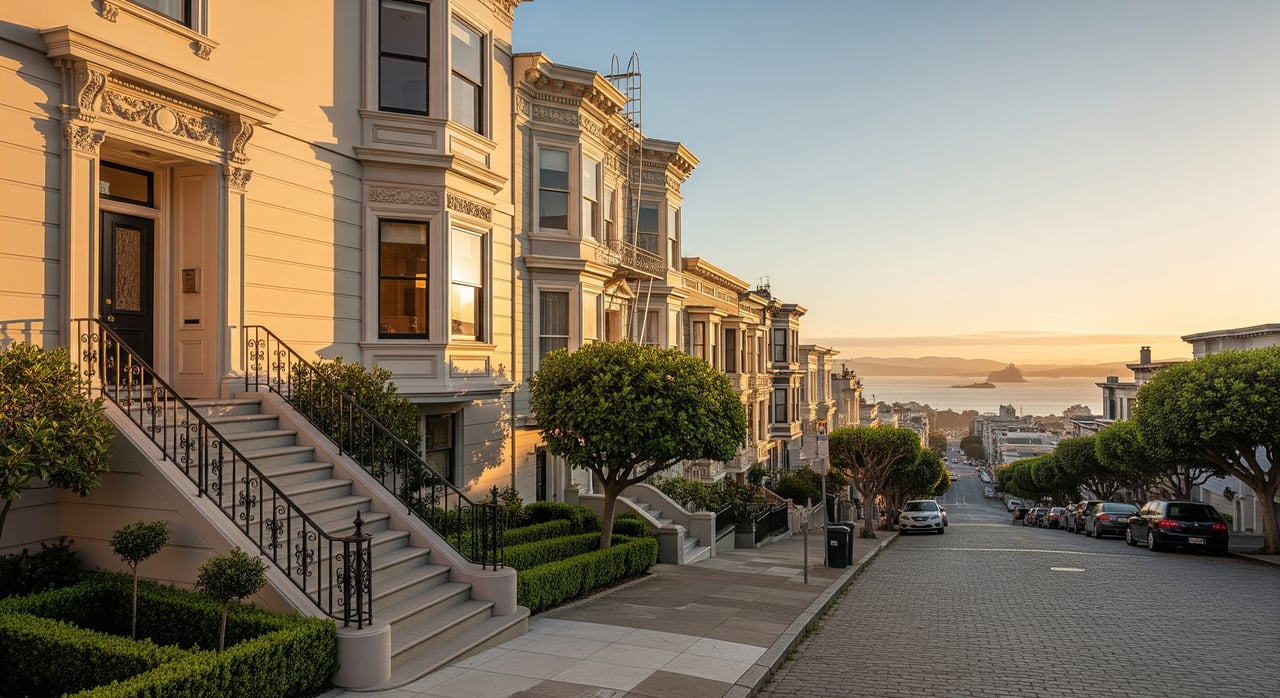
You can fall in love with a Pacific Heights facade in a heartbeat, but living well in these storied homes starts with understanding the architecture behind the beauty. Whether you are drawn to intricate Victorian trim, elegant Edwardian proportions, formal Beaux-Arts rooms, or glass-and-steel modern lines, each style shapes how you live, maintain, and invest. In this guide, you will learn what defines each style, how layout and light really feel day to day, and what to check for permits, systems, and resale. Let’s dive in.
What you will find in Pacific Heights
Pacific Heights is known for grand, multi-story homes, sweeping bay and bridge views, and terraced lots that climb steep streets. Most properties date from the late 19th and early 20th centuries, with a growing number of modern rebuilds and high-end remodels. Steep topography brings lower levels that open to the downhill side, along with retaining walls, terraces, and engineered access. Views are a premium, but they also increase the importance of window performance and deck safety.
Victorian homes
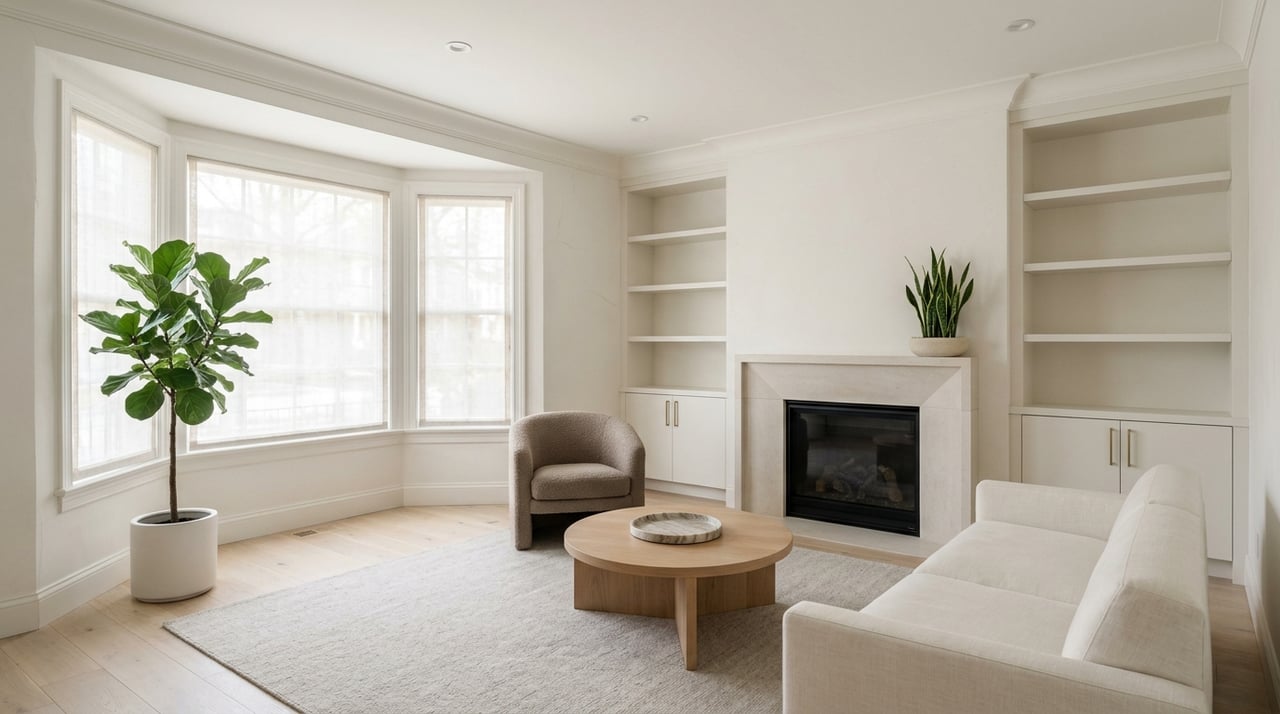
Victorians are ornate wood-frame houses from the late 1800s, often Italianate or Queen Anne in style. You will notice vertical proportions, bay windows, rich trim, and wood siding or shingles. Inside, floor plans favor separate rooms, narrow staircases, and formal parlors rather than open living. Bay windows bring good light to the front, while central rooms can be dim, and top floors benefit from the most daylight.
Victorian buyer notes
- Expect more frequent exterior painting and carpentry due to decorative woodwork.
- Older homes may still have knob-and-tube wiring or galvanized plumbing if not fully modernized.
- Single-pane windows are common and less efficient, though many owners value the period look.
- Buyers pay premiums for intact detail, but you may trade openness for character.
Edwardian homes
Edwardians arrived in the early 1900s, often built after 1906. Exteriors are more restrained than Victorians, with classical details and a slightly broader, horizontal feel. Floor plans are more regular and offer wider rooms and improved circulation, though they remain more compartmentalized than modern layouts. Many have had systems upgraded over time.
Edwardian buyer notes
- Decorative maintenance is lighter than in highly ornate Victorians, yet original wood and windows still need care.
- The structure is typically wood framing with original substructure elements that may have been reinforced.
- Easier modernization potential than ornate Victorians while keeping period charm.
- Look for well-executed kitchen and bath updates that respect the facade.
Beaux-Arts and Classical Revival
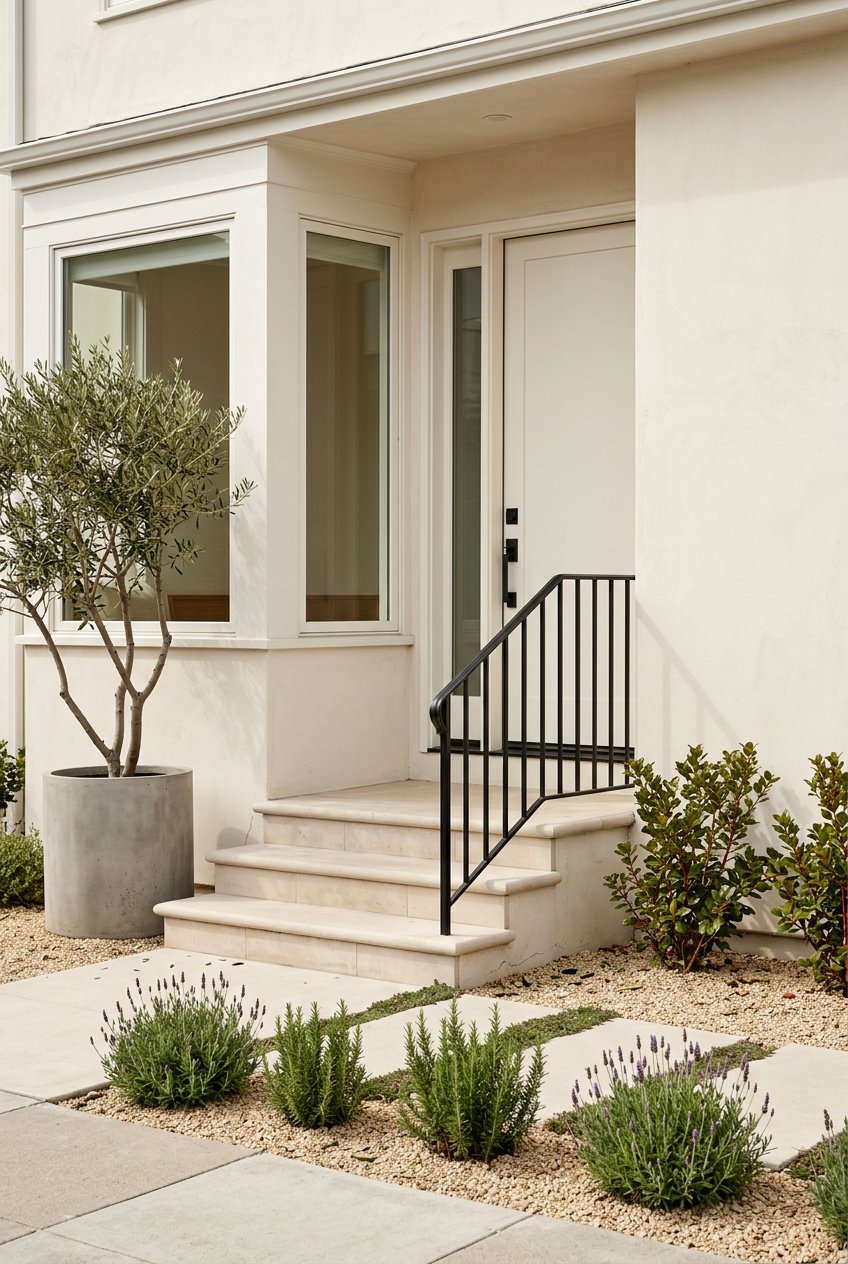
Early 20th-century Beaux-Arts and Classical Revival homes appear as large mansions or formal rowhouses. Expect stone or stucco facades, symmetrical composition, columns and balustrades, and dramatic entry stoops often elevated from the street. Interiors feature higher ceilings and grand public rooms oriented toward views, with service corridors and secondary spaces at the rear or lower levels. Foundations are substantial, and some properties include garages or carriage houses on rear alleys.
Beaux-Arts buyer notes
- Masonry requires specialized care such as repointing and sealant maintenance.
- Ornate stonework can be costly to restore accurately.
- These homes command premiums for scale, provenance, and views.
- Many owners retain formal entertaining rooms while adapting other spaces for day-to-day living.
Contemporary and modern homes
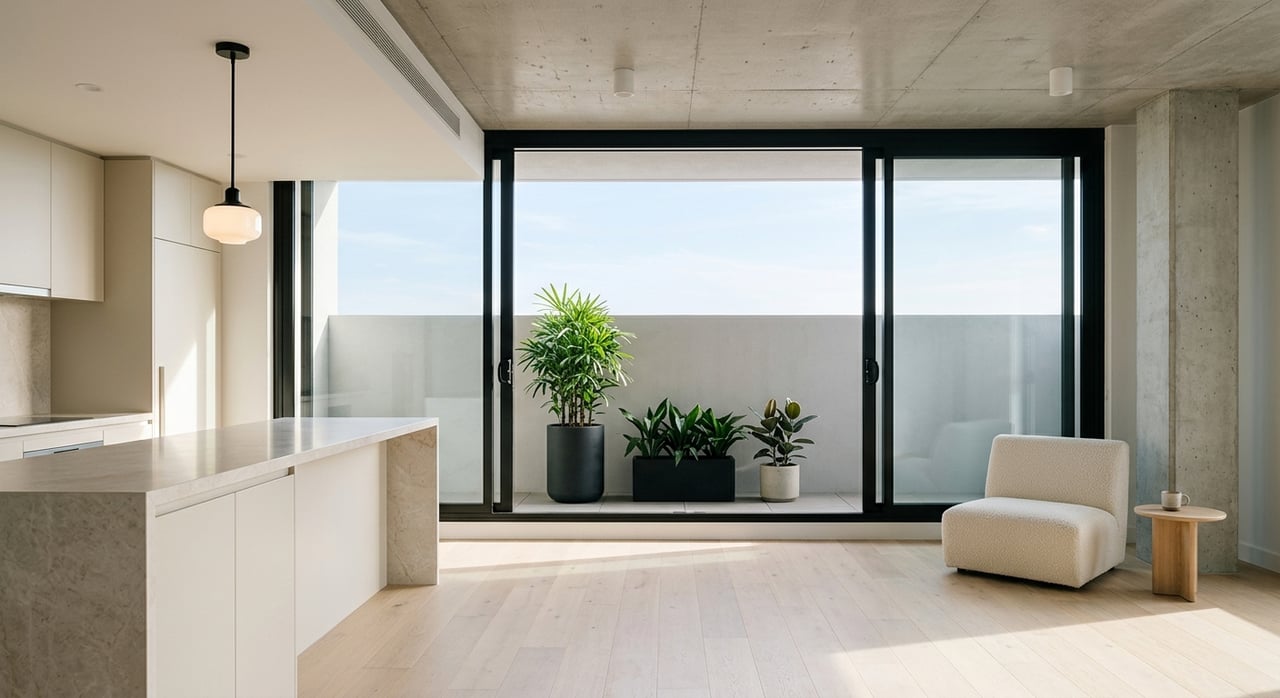
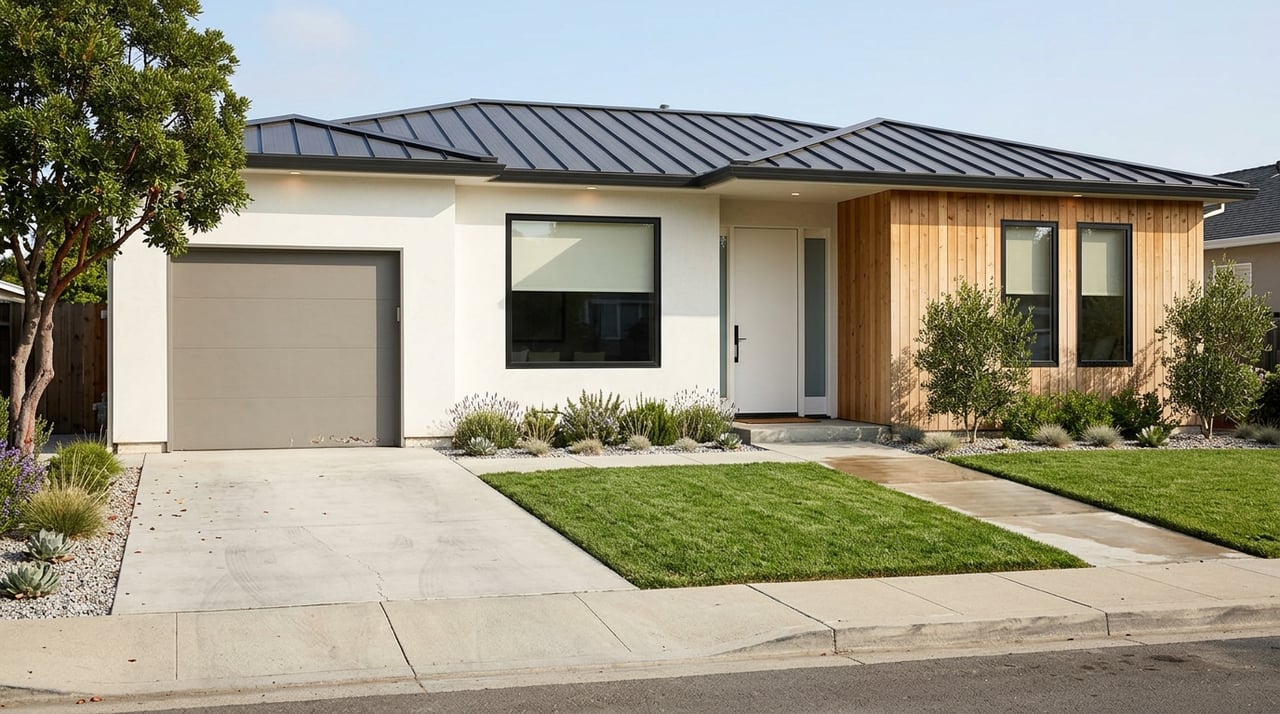
Modern builds and major remodels prioritize open plans, expansive glazing, and indoor-outdoor flow. Materials include steel, concrete, engineered wood, and high-performance glazing, often with terraces and roof decks designed around views and daylight. Systems are newer, with modern insulation, double-glazed windows, and updated HVAC. Maintenance shifts from historic woodwork to roof membranes, large window assemblies, and sealants.
Modern buyer notes
- Turnkey systems and energy efficiency often broaden appeal.
- Large glazed walls require regular sealant and hardware maintenance and attention to thermal performance.
- Flat roofs and roof decks need ongoing membrane care and drainage checks.
- Good documentation of engineering and permits is key on steep lots.
Neighborhood context that affects ownership
Steep parcels create unique conditions. Lower levels may feel like full living floors on the downhill side and can have moisture, egress, and fire-safety implications. Terraced gardens and retaining walls require monitoring and occasional engineering support. Sun and wind exposure vary by slope and orientation, which affects comfort, window performance, and exterior finishes.
Fit and lifestyle choices
- Open plan vs. formal rooms: Historic homes lean formal. If you want an open kitchen-family space, plan for structural reconfiguration.
- Stairs and vertical circulation: Multi-story living and narrow staircases are common. If aging in place is a priority, look for space that can accommodate an elevator or a main-level bedroom.
- Natural light: Corner exposures, bay windows, and higher ceilings help. Central corridors can be darker, so consider skylights or light wells where feasible.
- Outdoor living: Roof decks and terraces are prized for views. Verify structural capacity and permitting history.
Seismic, foundation, and structure
San Francisco encourages seismic strengthening for certain building types, and many older homes benefit from retrofits. Verify whether structural upgrades are permitted and complete, especially in multi-unit or soft-story conditions. Foundations vary from pier-and-beam to engineered solutions on slopes. Structural inspections and geotechnical input are wise on hillside lots.
Mechanical, plumbing, and electrical
Older properties may include knob-and-tube wiring and galvanized plumbing if not fully replaced. Electrical panels in historic homes often need upgrades to support modern kitchens and baths. Many older homes lack central HVAC and have limited insulation, so retrofits can improve comfort and value. Double-glazed windows and efficient systems increase marketability, but weigh that against preserving historic windows.
Preservation, permits, and policy
Some properties are designated landmarks or lie within conservation areas, which can limit exterior alterations and require design review for major changes. The Mills Act can reduce property taxes for designated historic homes in exchange for qualified preservation commitments. Unpermitted work is common in older cities and can complicate financing and resale, so confirm the permit history. For condos or multi-unit buildings, check HOA budgets, reserves, and any planned assessments for seismic, facade, or roof deck work.
Resale considerations
In Pacific Heights and nearby north-side markets, buyers value intact historic detail, views, scale, and proximity to neighborhood amenities. Thoughtful modernization that respects street-visible character tends to broaden buyer appeal. Heavy-handed remodels that strip period detail can alienate buyers who pay premiums for authenticity. Legal lower-level units can add revenue potential if permits and unit status are in order.
Due diligence checklist
Documents to review
- Permit history and plans from the Department of Building Inspection.
- Title report, easements, and any party wall agreements.
- Historic designation status and any Mills Act contracts.
- HOA documents, budgets, reserves, and special assessment history if applicable.
- Seller disclosures and recent contractor invoices with permits.
Inspections to schedule
- General home inspection to frame scope.
- Structural and seismic evaluation by a structural engineer.
- Geotechnical review for steep lots.
- Pest and wood-destroying organism inspection.
- Roof and deck inspection for membranes, flashings, and structure.
- Hazardous materials survey for pre-1978 homes if you plan renovations.
- Sewer scope and plumbing evaluation.
- Electrical load and service assessment.
Professionals to engage
- Local real estate agent with north-side historic expertise.
- Preservation consultant or architect if landmark status or Mills Act is relevant.
- Structural and geotechnical engineers experienced with San Francisco hillside and retrofit standards.
- Contractor experienced with period restoration and local permitting.
- Insurance broker who understands older and coastal-exposed properties.
Red flags to escalate
- Unpermitted structural changes or added roof decks without approvals.
- Evidence of chronic moisture or mold in lower levels.
- Seismic deficiencies or soft-story conditions not addressed.
- Significant foundation settlement or land movement.
- Deferred exterior maintenance on ornate woodwork or retaining walls.
Finding your fit
Choosing between a Victorian with intact detail, an Edwardian with balanced proportions, a stately Beaux-Arts residence, or a streamlined modern home is about lifestyle as much as aesthetics. Focus on layout, light, systems, and maintenance that align with how you live today and plan to live in the future. With the right due diligence, you will preserve what matters, modernize where it counts, and position your investment for strong resale.
If you are weighing options in Pacific Heights and want calm, data-driven guidance, connect with Meagan Levitan for confidential, white-glove representation.
FAQs
What defines a Victorian in Pacific Heights?
- Ornate wood exteriors, bay windows, and formal, compartmentalized rooms with vertical circulation and frequent exterior maintenance needs.
How is an Edwardian different from a Victorian?
- Edwardians are more restrained outside and offer wider rooms and improved circulation, making modernization easier while keeping period charm.
What should I know about Beaux-Arts maintenance?
- Masonry and stone facades require repointing and sealants, and ornate exterior elements can be more costly to restore accurately.
Are modern Pacific Heights homes lower maintenance?
- They reduce historic-detail upkeep but require regular attention to flat roofs, large window assemblies, sealants, and modern finishes.
What permits and policies impact historic homes?
- Landmark or conservation status focuses on exterior changes, the Mills Act may offer tax benefits, and unpermitted work can affect financing and resale.